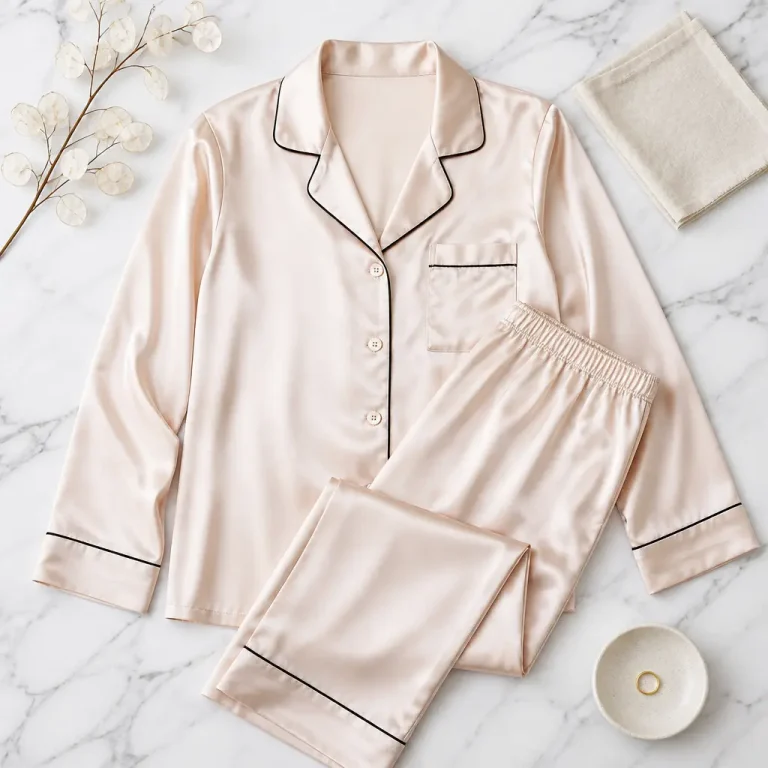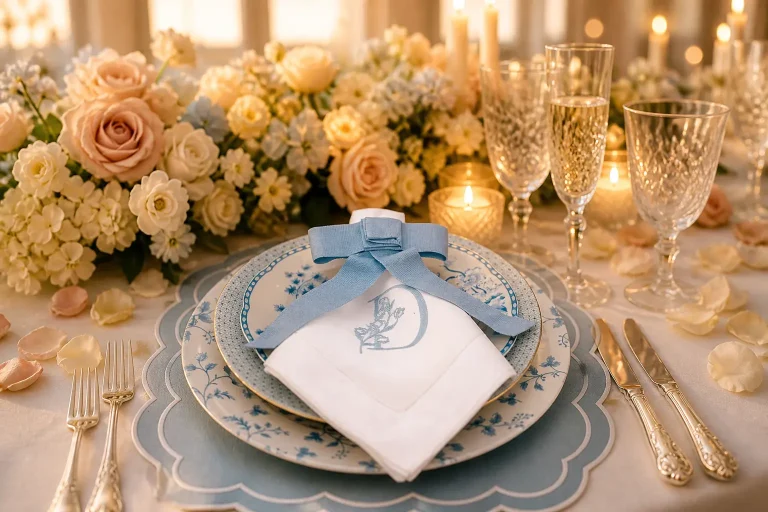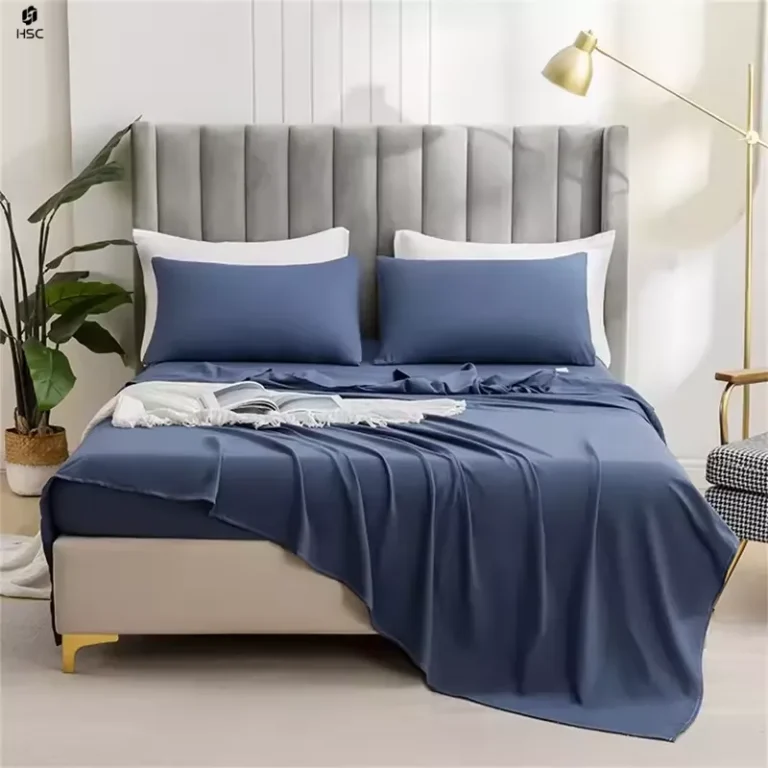
When September arrives, sleepwear buyers are balancing two demands: customers still want cool nightwear, but they are also beginning to look for pieces that feel comfortable through changing temperatures. The strongest replenishment choice is rarely a heavy seasonal switch. It is a well-specified pajama range built around breathable materials, reliable fit, and flexible color and size options.
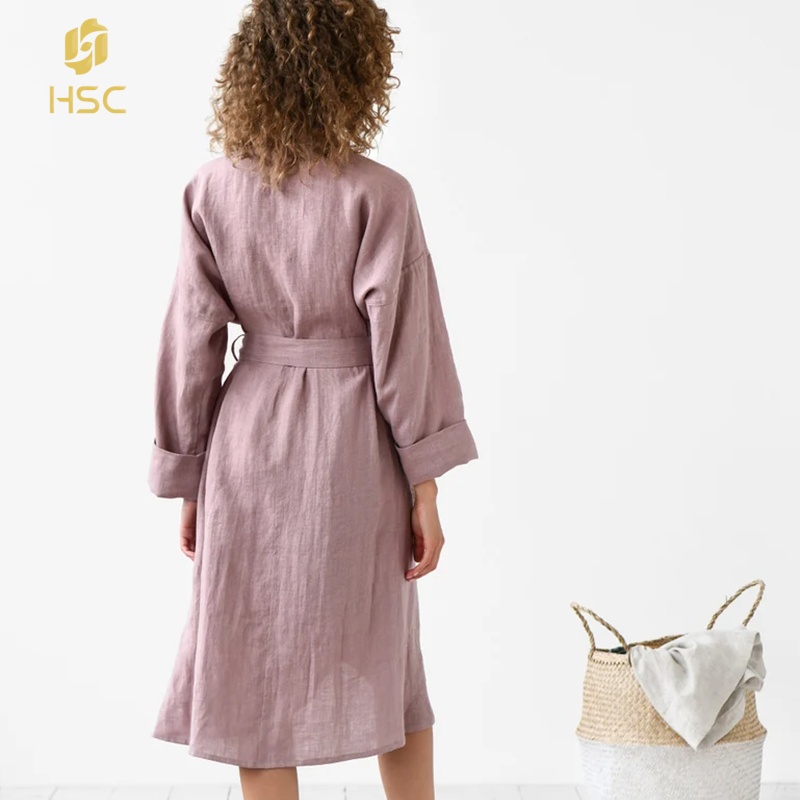
Why early autumn is a useful pajama buying window
Late-summer stock is still commercially relevant once the temperature drops as bedrooms, hotels and apartments cool at different rates. The pajama with airflow and / or with moisture-management properties is suitable for warm climates, for transitional weather and for year-round loungewear. As a result, the retailer has a longer period of time to sell the core style of the product rather than splitting the stock between a short line for summer and a completely separate line for winter.
For a September order, the important question is not simply whether a fabric feels soft in a sample. The buyer should compare how the fabric handles body heat, laundering, color development, and packing. These checks determine whether the range can work across direct-to-consumer, boutique, hospitality, or private-label channels.
That review is useful when the collection is promoted as year-round sleepwear.
Bamboo or linen pajamas: how to choose the lead material
Bamboo and linen are both suitable materials for breathable sleepwear. However, they produce different product experiences. Bamboo-based fabrics are primarily chosen for their smooth hand and easy draping, whereas linen creates a textile with a natural, more textured look and feel. The choice between the two materials ultimately depends on the collection position, target climate, and the degree of visual texture desired for the end product.
| Buying point | Bamboo pajamas | Linen pajamas | What to verify before order |
| Sensación al tacto | Smooth and fluid | Dryer, textured, relaxed | Approve a physical sample |
| Seasonal role | Useful for warm and transitional nights | Useful for breathable year-round capsules | Match fabric weight to market |
| Visual direction | Clean, soft, minimal | Natural, casual, premium craft feel | Check color and shrinkage after wash |
| Collection use | Core pajama sets and lounge separates | Elevated sets, robes, and resort-style sleepwear | Confirm size grading and label details |
A useful assortment can lead with one material and use the other as a secondary story. For example, a smooth bamboo set can carry the everyday volume, while a linen set or robe adds a more tactile option for customers who buy sleepwear as a lifestyle product. Keeping the silhouettes related makes the range easier to merchandise and photograph.
Product direction for September: breathable sets with private-label flexibility
HSC Textiles offers a focused pajamas collection that fits this replenishment logic. A practical lead item is the HSC 100% linen classic pajamas set, which gives buyers a clear linen-led direction for early autumn and resort or boutique channels. The set format also makes it easier to plan coordinated top-and-bottom merchandising, packaging, and size runs.
The product brief should define more than the fabric name. Confirm the finished garment measurements, tolerance, button and trim details, care-label language, logo method, color references, and pre-production sample process. When a collection is sold across countries, label and packaging requirements should be reviewed before bulk cutting rather than added after production.
Color planning deserves the same care as fabric selection. Early autumn does not require every style to move into dark or heavy shades. Soft neutrals, muted greens, washed blues, and restrained seasonal tones can keep a pajama line suitable for both late-summer demand and cooler-weather gifting. Before bulk production, compare lab dips or physical color standards under consistent light. Small color shifts are especially visible when a top and bottom are cut from separate dye lots.
Sizing is another commercial control point. Sleepwear is expected to feel easy rather than close-fitting, but excessive ease can make a set look poorly shaped and increase returns. Review the intended fit by market, then check the chest, hip, inseam, sleeve length, and waistband measurements across the complete size range. A size chart should describe finished garment measurements clearly so online customers can choose with fewer assumptions.
When a buyer wants a cotton alternative for a broader assortment, the Conjunto de pijama de algodón can provide a different hand feel and merchandising story while keeping the discussion within the sleepwear category.
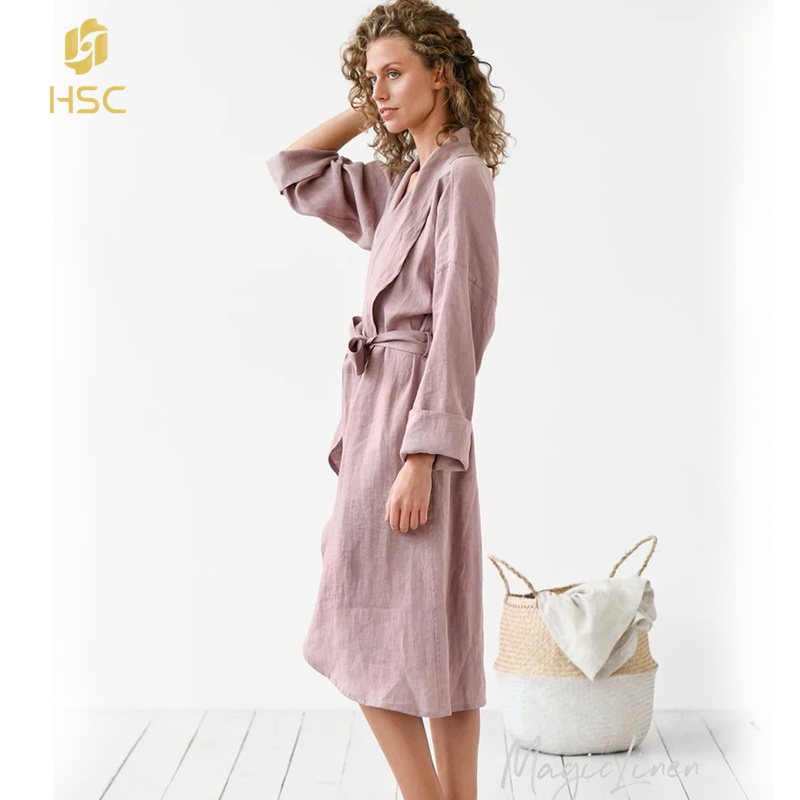
Buyers building a broader loungewear story can also review the related robe category for a coordinating layer. A robe can raise the average order value while giving the same fabric story another use case, especially for hotel amenities, gift sets, and premium homewear collections.
Three checks that prevent avoidable pajama problems
- Wash behavior: Test the sample using the intended care process. Measure shrinkage, inspect seam twisting, and compare the surface before and after washing. A fabric that looks excellent on a hanger may need a different pattern allowance after laundering.
- Fit and movement: Check sleeve, rise, waistband, and cuff comfort in the actual size range. Pajamas are worn while turning, sitting, and sleeping, so a visually neat fit can still fail if the waistband rolls or the armhole restricts movement.
- Shipment readiness: Review folding, carton compression, moisture protection, and size identification. Natural-fiber garments can crease during transit; the packing method should protect the product without creating unnecessary unpacking work for the warehouse.
What a supplier sample should prove
A sample is useful only when it answers the questions that could otherwise become expensive after production. Check the fabric composition against the order specification, but also inspect the garment as a finished system. Look at seam allowance consistency, stitch density, button security, pocket placement, elastic recovery, and whether the care label matches the agreed material. Photographing the approved sample from several angles creates a practical reference for later inspections.
For export orders, sample approval should include the packing presentation. Fold the set as it will be shipped, place it in the proposed bag or box, and check whether the garment develops hard creases or loses its shape under compression. Confirm carton marks, assortment ratios, barcode positions, and outer-carton dimensions before production starts. These details affect warehouse receiving and freight planning even when the garment itself is correct.
The same discipline helps when comparing bamboo and linen. Ask for samples in the same silhouette and, where possible, similar construction. Compare them after an identical wash and drying process. This separates a genuine material difference from a pattern, finishing, or laundering difference and gives the buying team a sound basis for choosing the lead story.
How to build a lean first order
A first order should test the commercial hypothesis without making the collection too fragmented. Start with one or two silhouettes, a controlled color palette, and the sizes that match existing sales data. Ask the manufacturer to confirm the available customization route, minimum order quantity, sample timing, and production documentation before reserving the full range.
Compare like-for-like samples: same silhouette, similar color, identical wash instructions, and the same measurement points. This reveals whether the material supports the intended price and positioning and gives the merchandising team concrete product-page content.
Inventory planning should leave room for replenishment. A wide first order with many colors can tie up cash and make size gaps harder to manage. A narrower launch with dependable core shades creates cleaner sales data. For wholesale programs, confirm whether repeat colors, custom labels, and revised size ratios can be supported in later orders.
Hospitality buyers may evaluate the same pajamas differently from fashion retailers. They often care about repeatability, easy care, comfort, packaging, and reordering. A boutique may place more weight on texture, color story, and private-label presentation. Identify the channel before sampling, because specifications and presentation may need to change.
Timing matters during the September window. Allow time for fabric confirmation, color approval, size-set review, sample comments, and final packing confirmation. Keep a written approval trail for measurements, trims, artwork, and labels so production follows the agreed version.
Preguntas frecuentes
Are bamboo pajamas suitable for early autumn?
Yes. Their breathable, smooth construction can work in warm bedrooms and transitional weather. The final result depends on fabric construction, garment fit, and local climate, so buyers should approve the actual sample rather than selecting from the fiber name alone.
Are linen pajamas too casual for a premium collection?
Not necessarily. Linen can support a premium position when the pattern, finishing, color consistency, labeling, and packaging are controlled. Its natural texture is part of the product character, but buyers should set expectations clearly and confirm the desired appearance after washing.
What should I ask a pajama manufacturer before placing a wholesale order?
Ask for fabric composition, available colors and sizes, measurement tolerances, customization options, sample approval steps, MOQ, care-label support, packaging details, and export documents. These answers show whether the supplier can support a repeatable collection, not just a one-time sample.
Acerca de HSC Textiles
HSC Textiles supplies textile products including bedding, pajamas, robes, tablecloths, and napkins. For buyers preparing an early-autumn sleepwear range, the company can be contacted to discuss material direction, product customization, sampling, and wholesale requirements.