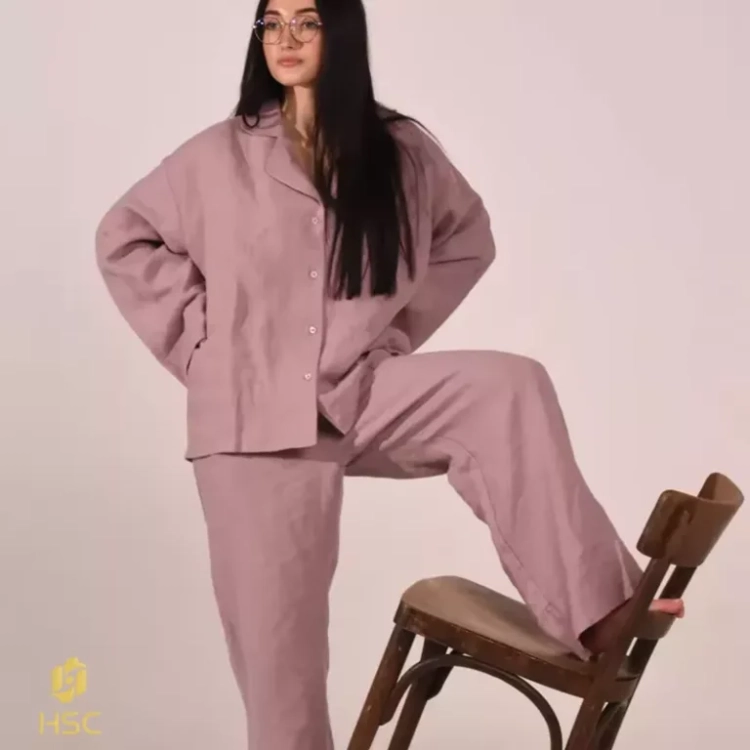
Private-label bamboo lyocell pajamas may look great in a sample but can generate returns when the item is made in bulk and fit, fabric weight, color and care to washing all differ from the sample. It is not enough to specify “bamboo” as the useful specification is a full record of all the key elements that go into the garment including fiber content, GSM, pattern, construction, finish, labels, packaging and wash testing.

အဓိကအချက်များ
- Define the wearer, season, size range, wash routine, color and packaging before requesting a quotation.
- Approve fiber composition, GSM, fit, construction and care performance on the exact style, not a generic material name.
- Retain the approved sample and use the same measurement and wash protocol for every replenishment.
The Private-Label Pajama Brief Should Start With the Wearer
When looking for fabrics for intended wearers and use, it is essential to first define the intended wearer and use pattern. A lightweight summer set for warm markets is of a very different brief to a brushed or heavier weight set to be sold as lounge wear. Write down the target market, size range, silhouette, season, wash frequency, color group, packaging and replenishment information before sending out a request for quote.
Define which details will remain the same and which can change depending on the style. Details like collar, sleeve length, trouser length and fabric should be fixed when creating a new SKU and not differ from sample to final product.
Buyer decision matrix
| Decision area | Information to fix | Evidence for approval |
| အထည်အလိပ် | Fiber composition, GSM, construction, finish | Fabric specification and physical swatch |
| ကြံ့ခိုင်မှု | Finished measurements, grading, ease, seam placement | Size chart and pre-production sample |
| ဂရုစိုက်မှု | Wash method, drying method, dimensional tolerance | Written test protocol and measured result |
| Brand presentation | Label, color standard, folding, carton and polybag | Artwork proof and packing sample |
What Bamboo Lyocell Does and Does Not Tell a Buyer
“Bamboo lyocell” identifies a material direction, not a complete garment performance claim. The final hand feel, drape, opacity, moisture response and dimensional stability also depend on yarn, knit or weave, GSM, dyeing, finishing and garment construction. Two fabrics with similar marketing names can therefore produce different results.
Ask the supplier to state composition and the unit used for fabric weight. Tie GSM to the approved fabric or style, and record the blend ratio for the exact color. Do not present softness, cooling, antibacterial, sustainability, or skin benefits as guarantees without evidence for the selected material and market.
ထို HSC Textiles bamboo lyocell pajama category is a useful product reference, but a category page is not a substitute for the final size chart, fabric record, care label, or sample approval. Use it to identify the relevant product direction, then request SKU-specific information.
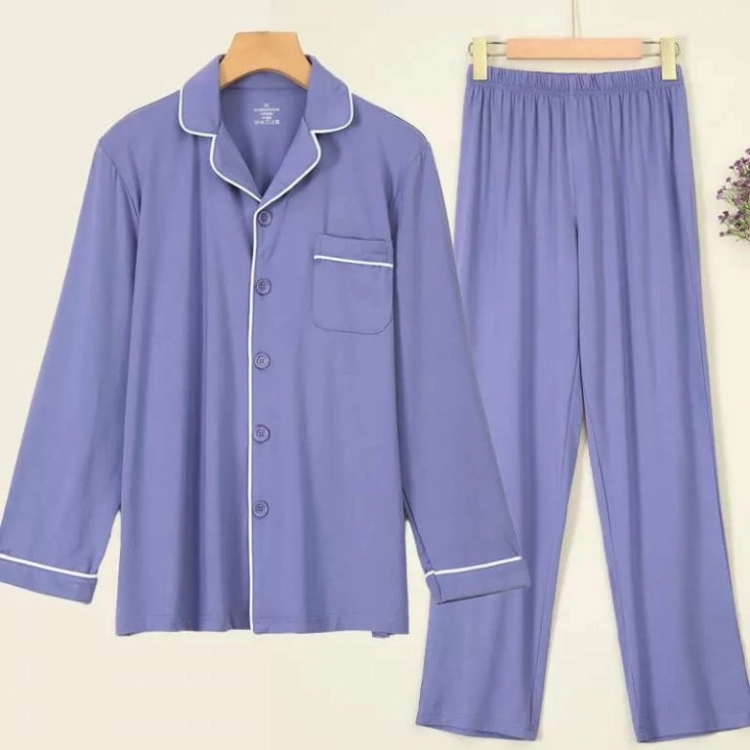
Turn the First Sample Into a Repeatable Fit Standard
The first sample should answer whether the design is commercially viable. It should not automatically become the production standard. Measure the sample at defined points, including chest, waist, hip, top length, sleeve length, inseam, rise, cuff opening, and any other dimensions that affect the intended fit. Record the measurement method and tolerance beside each point.
Fit review should include movement, not only a flat measurement. Check shoulder pull, waistband rolling, trouser rise while sitting, and pressure from buttons or drawcords. A relaxed silhouette can still fail if grading changes the balance between top and bottom pieces.
Keep the signed reference sample with the measurement sheet. If the supplier changes the pattern, sewing allowance, elastic, drawcord, or finishing process, require an updated sample or written approval. This record protects the buyer when a visually similar garment fits differently after bulk cutting.
Washing Is a Product Test, Not a Care-Label Decoration
Shrinkage and color change are often discovered after purchase because the wash method was never agreed. Define the water temperature, detergent, machine cycle, drying method, conditioning time, number of cycles, and measurement points before the test starts. Use the same protocol for supplier and buyer samples so the results can be compared.
Measure the garment before washing and after conditioning. Record dimensional change, seam appearance, twisting, pilling, shade change, decoration, and button or drawcord performance. Link the acceptance limit to the approved fit, not to an isolated percentage.
Care labels should reflect the tested construction. A label that recommends gentle care cannot repair a fabric or seam that fails under the actual routine used by the target market. When a third-party test is requested, identify the sample code, test method, laboratory scope, and report date. Do not describe a certificate as proof of the whole garment if it covers only one fabric input.
Lock Color, Construction, and Private-Label Details Together
Color approval should use a physical standard and an agreed viewing condition. Website images and phone screens are not reliable shade references. Keep the approved fabric swatch or garment sample, identify its code, and state whether the same standard applies to the top, trousers, piping, buttons, and packaging.
Construction control is equally important. Record stitch type, seam allowance, bartacks, elastic width, drawcord finish, button attachment, label placement, and pocket dimensions. A softer finish or decorative trim can change after laundering, so approve the complete garment rather than a swatch alone.
Private-label packaging belongs in the same approval record. Confirm the main label, care label, size label, hangtag, folding method, polybag warning, carton mark, carton quantity, and barcode or SKU reference. Send the HSC Textiles ODM/OEM service information together with the artwork brief so development and production teams are working from the same revision.
Protect Replenishment With Change Control
The first order and the repeat order should use the same approval logic. Ask the supplier to identify which details are common across the collection and which are style-specific. If the fiber source, yarn, fabric construction, dye route, finish, pattern, elastic, label, or packaging changes, the change should be declared before production.
For a small seasonal order, this may be a simple sample comparison. For a continuing private-label program, keep a retained reference from the approved lot and record the sample code, date, size, color, and fabric details. Compare the next pre-production sample with that reference under the same measurement and lighting conditions. This makes a quality conversation concrete instead of relying on memory or product photography.
Confirm MOQ by style and color, sample and bulk lead times, size breakdown, carton quantity, and shipment documents. Use HSC Textiles’ ဝန်ဆောင်မှုအချက်အလက် နှင့် official contact route to send the size chart, bill of materials, color standard, care label, packaging plan, quantity, and acceptance criteria.
နိဂုံးချုပ်
The safest way to source bamboo lyocell pajamas is to approve a controlled garment, not a material name. Fix the composition and GSM, measure the fit, test the wash result, approve color and construction, and attach labels and packaging to the same revision record. Then compare every replenishment sample with the retained standard before bulk cutting. Send the completed specification to HSC Textiles through the official contact route and ask the supplier to mark any value that still requires confirmation for the selected SKU.
အမြဲမေးလေ့ရှိသောမေးခွန်းများ
Q1: Is “bamboo lyocell” enough information for a private-label quotation?
A: No. Request exact composition, GSM, construction, finish, size chart, care method, MOQ, packaging, and sample requirements.
Q2: What should be measured on the pajama sample?
A: Use a written measurement chart covering the top and trouser points that control fit, then record the method and tolerance for each point.
Q3: How can a buyer test shrinkage fairly?
A: Agree on temperature, detergent, cycle, drying, conditioning, and wash count, then use the same protocol for all samples.
Q4: Can a category page confirm the final garment specification?
A: No. It can identify a product family. The final composition, dimensions, construction, care label and packaging must be confirmed for the exact SKU.
Q5: What should be sent to HSC Textiles for a useful review?
A: Send the target market, size chart, bill of materials, color standard, care-label text, packaging plan, quantity and acceptance criteria through the HSC Textiles contact route.
HSC အထည်အလိပ်များအကြောင်း
ကျွန်ုပ်တို့သည် ထုတ်လုပ်ရေးနှင့် ကုန်သွယ်ရေးကို ပေါင်းစပ်ထားသော အုပ်စုကုမ္ပဏီတစ်ခုဖြစ်သည် - ULAND GROUP။ ကျွန်ုပ်တို့၏ လက်အောက်ခံကုမ္ပဏီများတွင် HSC၊ Liaocheng Shanlian Textile Co., Ltd.၊ Zhongfei နှင့် DDL တို့ ပါဝင်သည်။