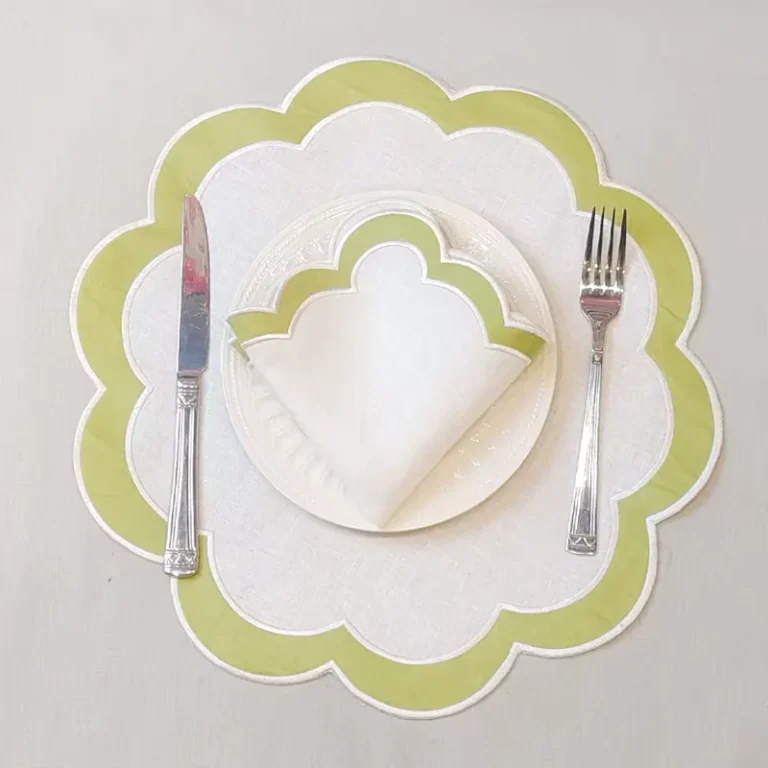
| Productnaam | Handmade Cotton Linen Napkins – Modern Embroidered Personalized Monogram, Square, for Weddings and Anniversaries |
| Merknaam | HSC |
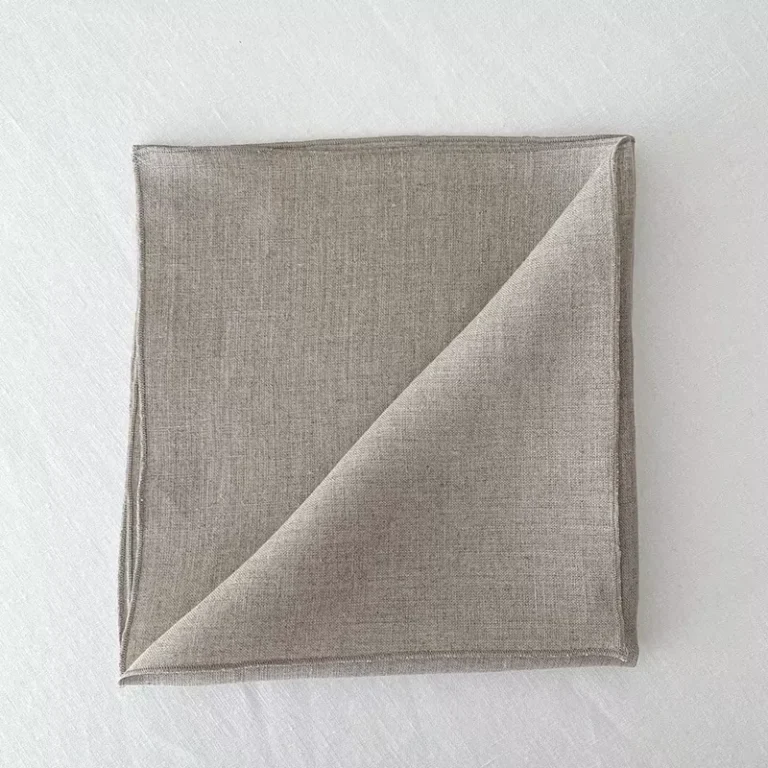
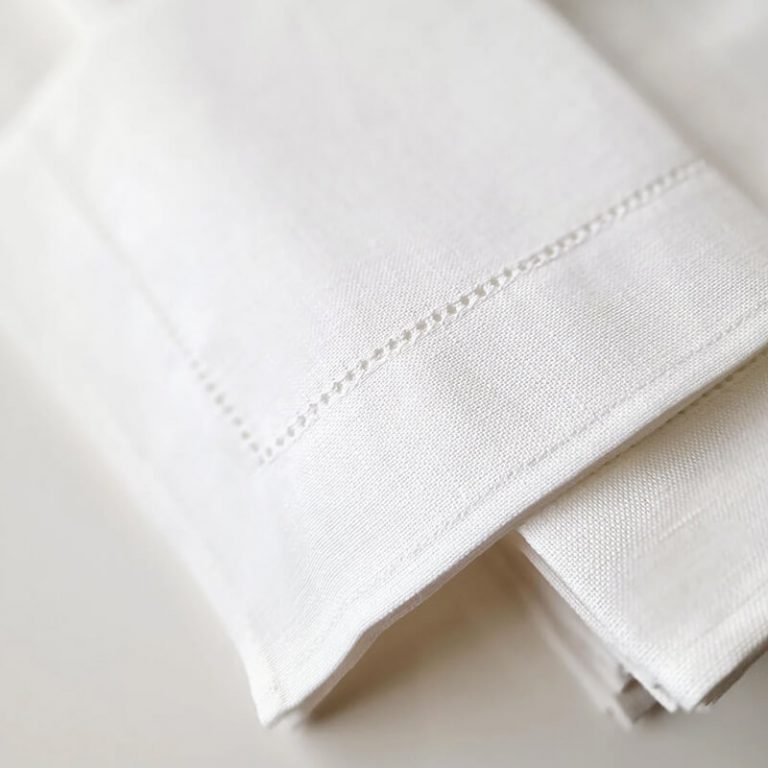
| Materiaal | Katoenlinnen |
| Techniek | Handmade |
| Patroon | Embroidered |
| Vorm | Vierkant |
| Specificatie | 45 x 45 cm (; the size variants offered are 38 x 38 cm, 40 x 40 cm and 50 x 50 cm – see internal notes) |
| Aantal stuks | 1 piece |
| Functie | Organic, Eco-Friendly, Reusable |
| Stijl | Modern |
| Sollicitatie | Home, Airplane, Restaurant | Wedding, Party, Home, Restaurant, Airplane |
| Maat | 38 x 38 cm | 40 x 40 cm | 50 x 50 cm | custom size |
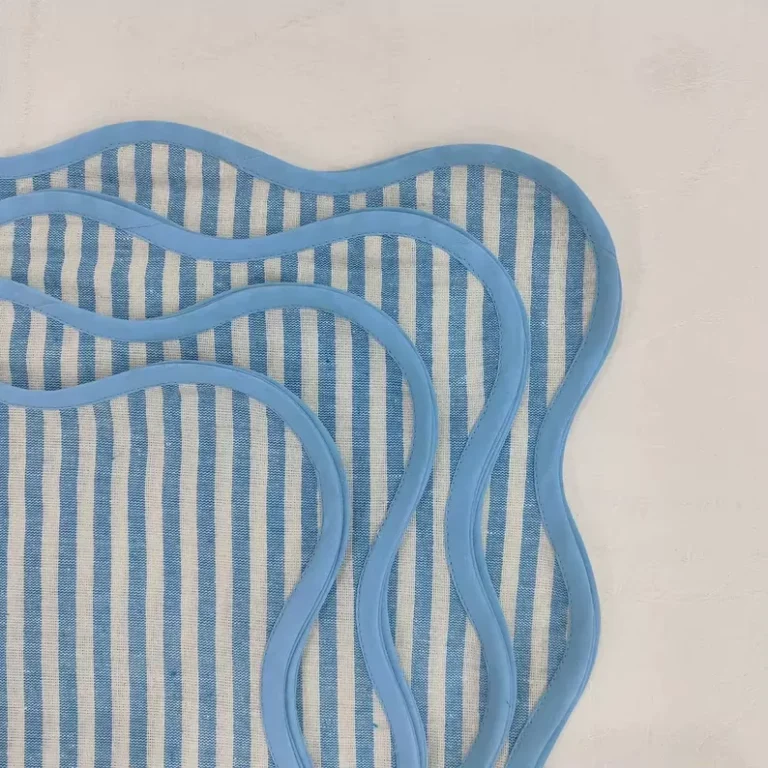
| Kleur | Blue | custom colours |
| Personalisatie | Embroidered monogram / name; customer logo supported |
| Aanpassing | Colour from 100 pieces | minor, drawing-based, sample-based and full customization |
| MOQ | 100 stuks |
| Steekproef | Customizable sample for quality checking; free colour card |
| Certificering | Oeko-Tex 100 – Safe & Sustainable Textiles |
| Plaats van herkomst | Shandong, China |
| Verpakking | Single item; 45 x 45 x 8 cm; 1.1 kg |
| Levertijd | 31 days for 1-300 pieces; 50 days for 301-1,000 pieces; over 1,000 to be negotiated |
HSC treats sampling as a stage of its own rather than a preview of the bulk order.
– The sample is made to your style, construction, dimension and fabric specification, so what is approved is what gets produced.
– Monogram placement is checked at sample stage on a piece you can hold, not on a layout drawing.
– A free colour card goes out with the sample, so the shade is judged in daylight rather than on a screen.
– A counter sample can be made from a piece you send in, if the point is to match something already in service.
– The sample room works separately from bulk production, which is why a placement question is answered before the run starts.
Three sizes on one product is practical rather than generous, and the reasoning is worth spelling out: 38 x 38 cm suits a lunch or a cocktail service, 40 x 40 cm is the standard dinner setting, and 50 x 50 cm is for a table where the napkin is meant to be noticed. A wedding party dressing a head table differently from its guest tables can order both from one place rather than reconciling two suppliers. The cloth is a cotton-linen blend, and the cotton is in it for the stitching rather than the hand – an embroidered monogram needs a surface that holds a dense stitch, and linen shifting underneath the same stitch will pull the letterforms out of line over a season of washing. The monogram is stitched, not printed, so a name stays legible while the cloth around it softens.
| Napkin – 38 x 38 cm | Lunch service |
| Napkin – 40 x 40 cm | Standard dinner setting |
| Napkin – 50 x 50 cm | Where the napkin is meant to be seen |
| Maatwerk | Produced to order |
| Personalisatie | Monogram or name, embroidered |
| Single Package | 45 x 45 x 8 cm | 1.1 kg |
Bought for weddings and anniversaries, and for the home, restaurants and parties. What separates a personalised napkin from a generic one is that it is ordered for a specific occasion and then kept: a name stitched into a hem is a gift that outlives the event, which is why the piece is finished to be washed and put back out rather than retired after one table setting. The stock blue ground is the practical starting point for a first order, since it needs no colour minimum, and a set of six monogrammed pieces can be carried on a table without looking borrowed from a venue’s cupboard.
– Wash cool, 30℃ or below, and turn each napkin so the monogram faces inwards. The stitch is the first thing to wear on a personalised piece.
– Wash a personalised set on its own for the first two cycles, so loose colour off a blue ground does not settle into a lighter piece.
– A mild detergent and no powder. Powder sits in the doubled hem where the monogram is worked and dries as a pale line behind the stitching.
– No bleach and no optical brighteners, which dull the dyed ground and weaken the threads holding the letters.
– Tumble dry low or line dry. High heat shrinks a cotton-linen blend unevenly, and a shrunken napkin makes the monogram look off-centre even when it is not.
– Press on the reverse while still damp. Ironing the face flattens the embroidery and the cloth around it.
– Do not press the monogram with steam directly; moisture plus heat is what makes dense stitching pucker.
– Store personalised napkins flat and apart from the plain ones, so a set of six monogrammed pieces does not get split across two drawers.
– For anniversary and wedding stock, keep the embroidered pieces in their own box. A keepsake that has been through a general laundry pile stops looking like one.
Pick the size first, because that decision drives the rest. Take 38 x 38 cm for a lunch or cocktail service, 40 x 40 cm for a standard dinner, and 50 x 50 cm only when the napkin is part of the look rather than a practical item – a larger napkin in the lap is more cloth to manage, and a table set for many guests does not need it. On the fabric, a cotton-linen blend is the right ground if a monogram is the point: cotton holds a dense stitch where linen will let it shift, so a blend is chosen for the embroidery rather than for savings. On placement, ask for the monogram against the hem rather than centred, since handmade finishing is what makes that possible and it is what keeps the piece from reading as a sample. Order the sample first if the placement matters.