The need for fine bedding goes beyond basic thread counts now. In 2026, attention turns to clear material details and environmental responsibility. You probably want items that support good rest while cutting down on carbon use, and this overview gives the key facts and fiber knowledge to help you choose wisely. By the close of this review, we will explain which eco-friendly fibers fit your weather and touch needs best.
As a textile specialist with more than 20 years in production, I have watched home fabrics change over time. Our team at HSC works to connect new raw materials with top retail standards. Located in China’s main textile area, we act as a full-service provider for targeted ODM and OEM work.
Eco-friendly Bedding Trends in 2026
According to the Textile Exchange Preferred Fiber & Materials Market Report, sustainable fiber market share is projected to exceed 55% by 2026 as global brands pivot toward regenerative sourcing.
Sustainable Fiber Dominance
Plant fibers such as bamboo, flax, and lyocell shift from rare picks to common choices. People favor them because they need less chemical help and give better air flow than oil-based polyesters.
Circular Manufacturing Processes
Today’s plants focus on reusing water and cutting scraps. This loop approach means production leftovers get new uses, and the end item breaks down naturally after several years of service.
Ethical Supply Chain Transparency
Tracking sources is a must now. Companies use online tools to confirm that bedding fibers come from woods or fields following tough green rules and fair worker conditions.
Natural Aesthetic Preferences
The calm luxury style shapes bedding looks. Trends lean to plain, uncolored, or earth-toned cloths that show the fiber’s true appeal instead of hiding it under strong fake colors.
Bamboo Fiber: The Future of Renewable Comfort
Bamboo stands out in the 2026 scene thanks to its quick growth and low space needs. From our work, bamboo-based cloths suit those with touchy skin or reactions well.

Rapidly Renewable Raw Materials
Bamboo matures in a short time without fake watering. As a result, it saves much more water than regular cotton, which matches worldwide efforts to save water supplies.
Vintage Woven Texture Innovation
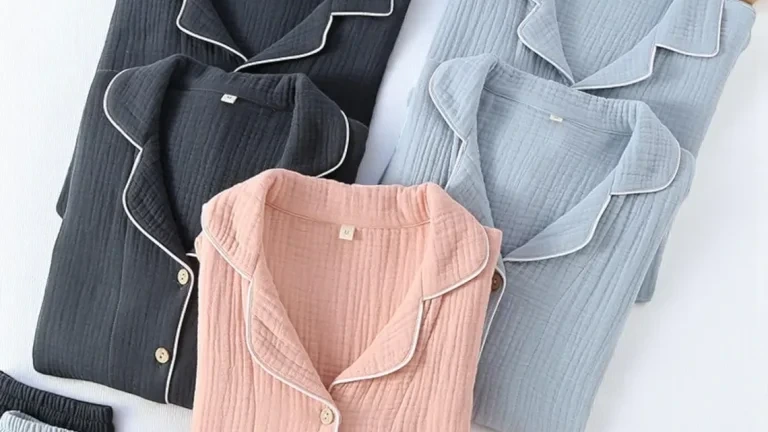
With better weaving methods, we create cloths that feel aged yet fresh. This builds a rough surface that boosts air movement, all while keeping the smooth touch of fine bamboo threads.
Natural Antibacterial Properties
Bamboo holds a natural element from the plant that stays in the fiber. That built-in trait fights bacteria and tiny pests, so the sheets remain clean longer between cleanings.
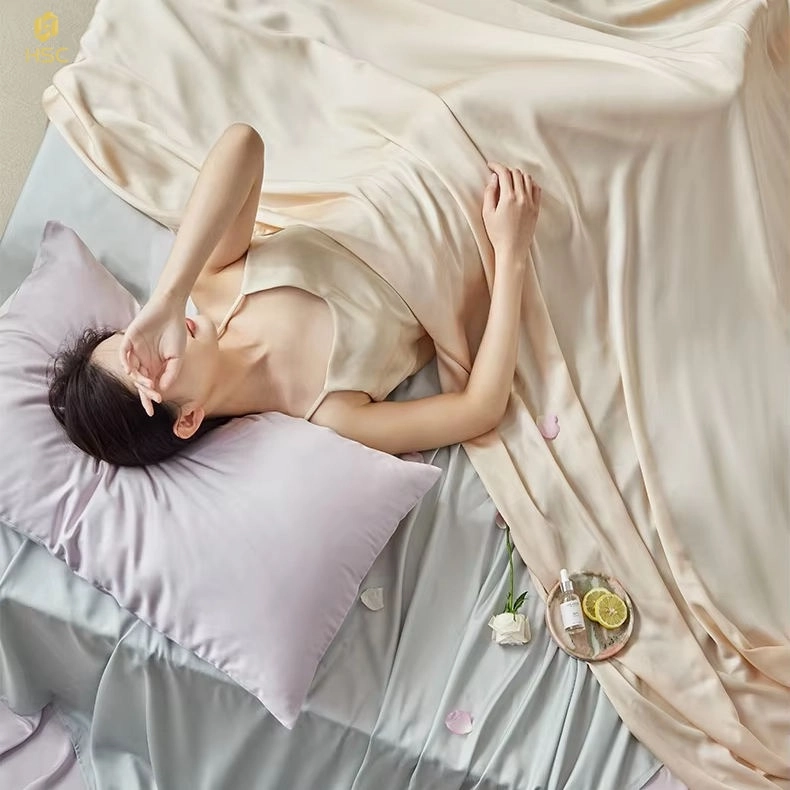
HSC Bamboo Fiber Vintage Woven Sheets
We suggest the Bamboo Fiber Vintage Woven Sheets for clean focus and gentle feel. These kits are made to avoid allergies and travel easy, fitting busy lives without losing home comfort.
Natural Linen: Timeless Durability and Performance
Linen holds as the top pick for lasting use. In practice, good linen softens and eases up with each wash, gaining appeal over years.
Exceptional Durability and Longevity
Flax threads have strong pull resistance, so linen sheets endure for many years. This lasting quality supports green goals by slowing down how often people buy new fabrics.
Superior Thermoregulation Capabilities
Linen acts smart on its own. It soaks up wetness well and moves heat fast in warm times, yet holds cozy warmth when it’s cold outside.
Low Water Consumption Cultivation
Flax grows tough in weak soils with little care. Picking linen backs farm ways that guard nearby nature and keep underground water safe.
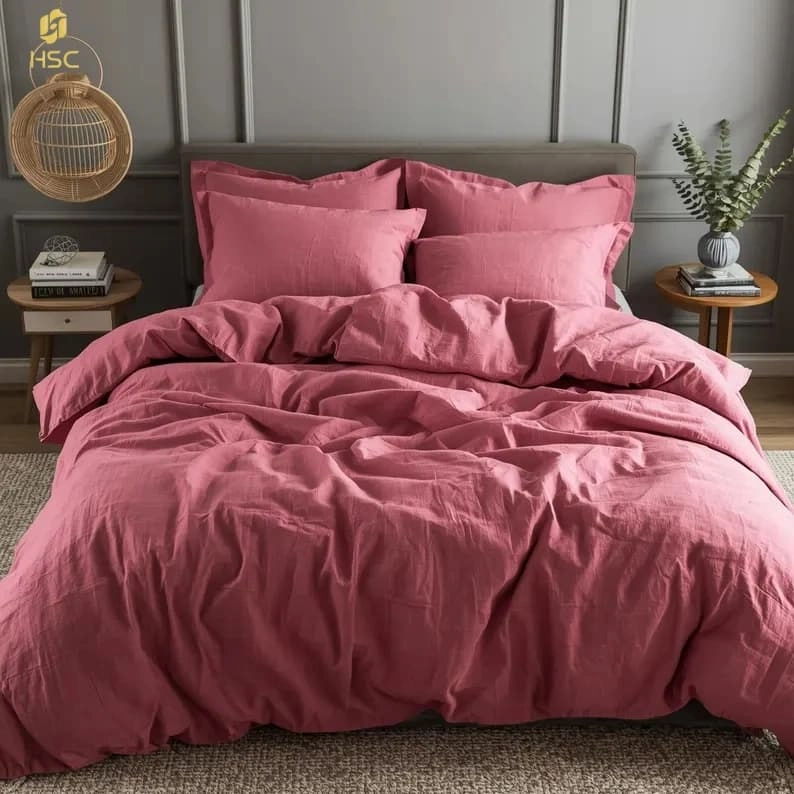
HSC Linen Bedding Sets Recommendation
For a solid buy in rest value, the HSC Linen Bedding Sets deliver top results. Offered in king sizes, they bring a refined, rough style that matches the 2026 vibe of plain grace.
Organic Lyocell: The Pinnacle of Cooling Technology
Lyocell blends plant knowledge with fabric tech. It serves best for those who overheat at night and need strong wetness control plus a chill feel.
Closed-loop Solvent Spinning Technology
Making lyocell stays very clean. More than 99% of the liquid to process wood pulp gets caught and used again in a tight cycle, ranking it among the greenest created fibers.
Silky Smooth Surface Texture
Lyocell threads come smooth and even. Thus, the cloth touches like silk on skin but has the air flow and simple upkeep of choice cotton.
Biodegradable Botanical Origins
Drawn mainly from eucalyptus and beech, organic lyocell breaks down fully. We source these from approved steady woods, saving varied life while offering strong fabrics.
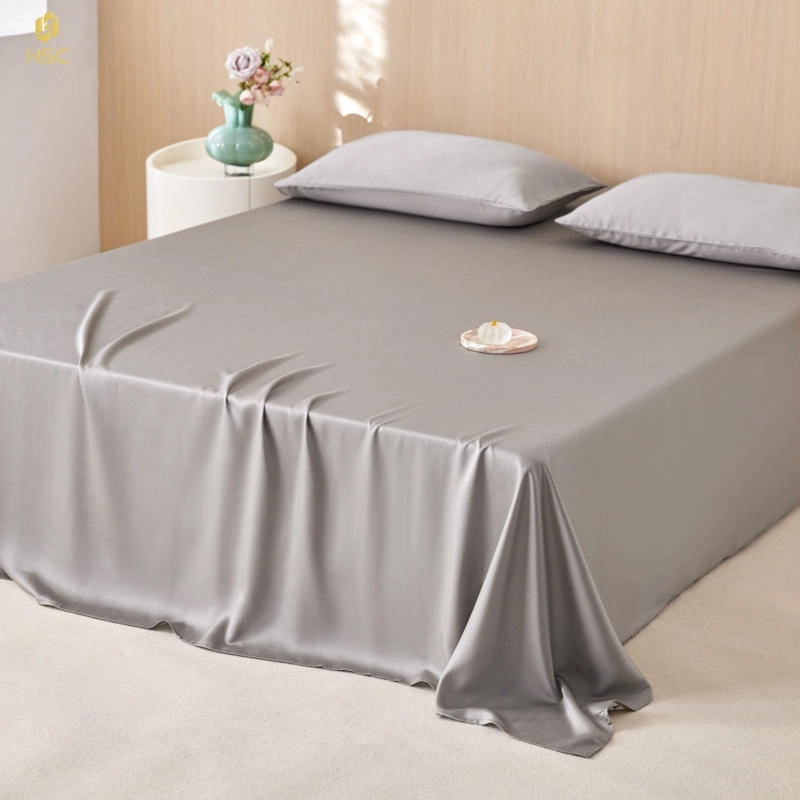
HSC Organic Lyocell Flat Sheets
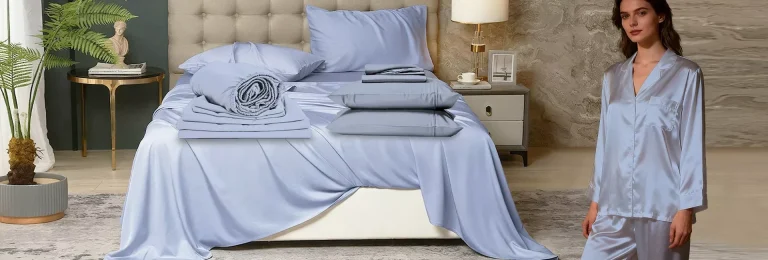
For night dampness issues, the HSC Solid Color Flat Sheet 100% Organic Lyocell proves key for your room. Its shiny, silk-like top gives quick chill that holds all night.
Final Verdict: Which Sustainable Material Fits Your Business?
| Performance Metric | Bamboo Fiber (Vintage Woven) | Natural Linen (Flax) | Organic Lyocell |
| Cooling Effect | Moderate (Breathable) | High (Heat Conductive) | Very High (Cool Touch) |
| Moisture Wicking | 60% higher than Cotton | Exceptional | Highest (Fibril Structure) |
| Durability Index | High | Extremely High | High |
| Skin Sensitivity | Best for Allergies | Textured/Exfoliating | Best for Sensitive Skin |
| Water Usage | Low (Rain-fed) | Very Low | Low (Closed-loop) |
| Hand-Feel | Soft & Supple | Crisp (Softens over time) | Silky & Glossy |
| HSC Product Link | View Bamboo Sheets | View Linen Sets | View Lyocell Sheets |
After evaluating the 2026 market shifts, our recommendation is clear: For High-Performance Cooling: Choose Organic Lyocell; its moisture-wicking is superior for hot climates. For Heritage & Longevity: Select Natural Linen, which offers the highest return on investment due to its decade-long durability. For Eco-Friendly Versatility: Bamboo Fiber provides the best balance of soft touch and natural antibacterial protection at a competitive price point.”
Strategic Advantages of HSC Textiles
As a leading sustainable bedding manufacturer and wholesale supplier, we provide the infrastructure needed to meet 2026 global standards. We supply the setup and know-how so your green bedding hits top world marks.
Professional ODM and OEM Expertise
We give adaptable production options, letting brands tweak all product parts. Our crew handles the tough parts of mixing green fibers to match your label’s needs exactly. We specialize in custom organic bedding solutions, allowing brands to tailor fiber blends that align with their specific low-carbon supply chain goals.
Global Export Quality Standards
Every item faces deep tests to fit world safety and green rules. We run a solid quality setup that keeps steady results in each run we make. Our group facilities are audited and certified by OEKO-TEX® Standard 100 and amfori BSCI, ensuring that every shipment meets the ethical and chemical safety requirements of European and North American markets.
Custom Sustainable Bedding Solutions
We guide partners to pick fibers right for their markets. Be it set sizes, special shades, or mixed threads, we offer advice to build a unique line.
Proven International Case Successes
Our record shows good ties with varied global buyers. These examples prove we manage hard shipping and hold high standards, building our name as a trusted guide in green fabrics.
FAQ
Q1: Why is bamboo considered more sustainable than cotton in 2026?
A: Bamboo grows faster, requires no pesticides, and uses significantly less water than conventional cotton, making it a lower-impact choice for the environment.
Q2: How does lyocell help with temperature regulation?
A: Lyocell has a unique fibril structure that efficiently absorbs and releases moisture, keeping the sleeper dry and maintaining a consistent, cool temperature.
Q3: Is linen suitable for all-year use?
A: Yes, linen is naturally thermoregulating. Its hollow fibers allow for high breathability in summer and act as an insulator to retain heat during winter.
Q4: Can these sustainable materials be machine washed?
A: Absolutely. While bamboo, linen, and lyocell are natural, they are engineered for durability and can be machine washed on gentle cycles using eco-friendly detergents.
Q5: What is the benefit of a closed-loop production process?
A: A closed-loop process ensures that almost all water and solvents used during manufacturing are recycled, preventing chemical runoff and reducing environmental waste.
About HSC
We are a group company integrating manufacturing and trade – ULAND GROUP. Our subsidiaries include HSC, Liaocheng Shanlian Textile Co., Ltd., Zhongfei, and DDL.