Global demand for upscale loungewear has moved toward green performance. Many customers note that locating a bathrobe which combines silk-like smoothness with lasting toughness presents a real hurdle. This guide uncovers why particular production methods prove vital for an elegant outcome. Readers acquire an industry view on the 2026 benchmarks that shape a genuine high-quality piece.
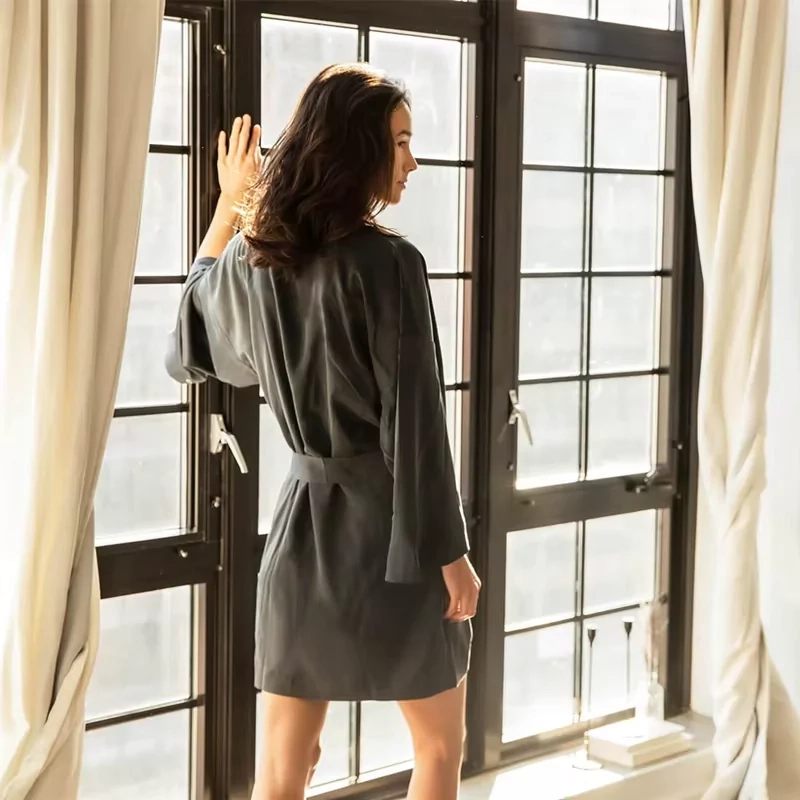
Textile specialists observe how HSC has perfected blending production and commerce. It utilizes two decades of solid experience to assist more than 3,000 customers in 30 nations. Quality dedication rests on OEKO-TEX® Standard 100 approval and on-site checks from SGS Group. Via OEM/ODM services or fast 24-hour aid, it supplies dependable home textile fixes for international labels.
Global Trends in Sustainable Luxury Bamboo Loungewear
The home textile field in 2026 shows a strong lean toward earth-kind materials which uphold grace without sacrifice. Fine substances like organic bamboo fiber now serve as the top choice for ease and adaptability.
Rise of eco-conscious consumerism
Shoppers today favor goods that support the planet and decompose naturally. This trend drives producers to adopt low-harm practices, thereby expanding the appeal of such options in everyday markets.
Demand for skin-friendly natural fibers
A rising choice exists for OEKO-TEX certified bamboo items that protect family health and lack toxic elements. These fibers deliver gentle contact, making them ideal for broad household applications where safety ranks high.
Growth of the home-spa economy
Uses for upscale robes have grown from basic household wear to upscale hotels, marriage ceremonies, and wedding prep events. This broadening scope heightens their value in varied leisure contexts, fostering wider adoption across sectors.
Stage 1: The Raw Material Transformation Process
The core of a fine bathrobe starts with material sourcing and tracking. The opening extraction step safeguards the plant’s core advantages while gearing it up for premium textile application.
Selection of mature organic bamboo
Top-grade organic bamboo fiber guarantees a pure grain and excellent starting strength. This selection underpins the entire build, ensuring consistent performance from the foundation onward.
Advanced cellulose pulp extraction
Raw bamboo converts to polished pulp, which lays the groundwork for standard or cutting-edge fiber forms. The technique retains essential qualities, allowing seamless progression to subsequent manufacturing phases.
Eco-friendly closed-loop technology
This forward-thinking process yields fibers boasting a crisp, smooth grain akin to silk. By recycling inputs in a sealed system, it minimizes environmental impact while delivering user-friendly results.
Minimal waste and chemical recycling
Contemporary methods emphasize green protection, confirming the end item remains secure, wholesome, and planet-safe. Such approaches cut down on leftovers, promoting a cycle that benefits both production efficiency and ecological balance.
Stage 2: The Sophisticated Textile Weaving Process
When fibers stand prepared, the weaving phase fixes the ultimate airflow and tactile sense. Take, for example, the Bamboo Bathrobe Robes, which employ a targeted pattern crafted to deliver outstanding ventilation and a relaxed drape for peak relaxation.
High-precision bamboo yarn spinning
Handled fibers twist into uniform, robust threads apt for complex weaving tasks. This exacting step fosters reliability, enabling intricate designs that enhance the fabric’s overall utility.
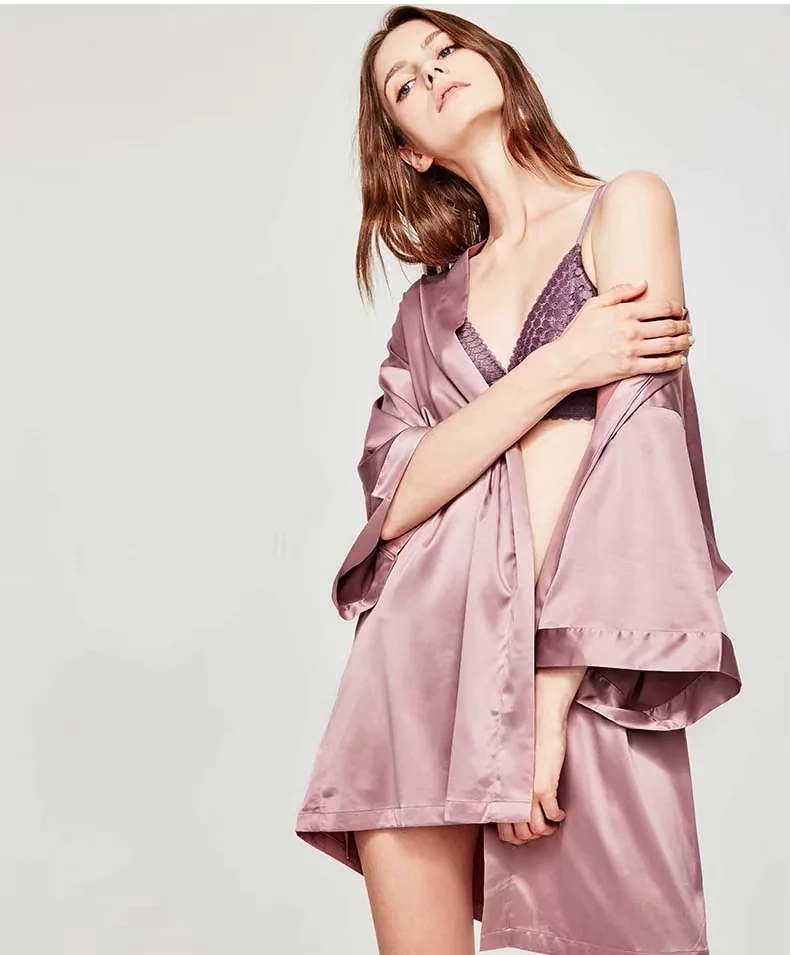
Luxury satin and premium weaving
Dedicated machinery forms diverse grains, including those in the Bamboo Satin Bathrobe, providing a sleek, glossy surface. The outcome elevates aesthetic appeal, while maintaining practical benefits for prolonged wear.
Natural antimicrobial fiber integration
The weaving method draws on bamboo’s innate features to sustain wearer freshness and ease throughout seasons. This built-in quality reduces upkeep needs, offering sustained benefits in varied climates.
Non-toxic active dyeing techniques
More than 400 shades emerge from colorants adhering to firm safety guidelines, averting any dermal discomfort. These choices broaden design flexibility, ensuring vibrant yet harmless finishes for diverse client preferences.
Stage 3: The Artisanal Garment Assembly Process
The closing phase transforms cloth into a practical gem. The facility of HSC, spanning 3,200 square meters, contains focused zones for slicing, stitching, and wrapping to uphold elevated norms.
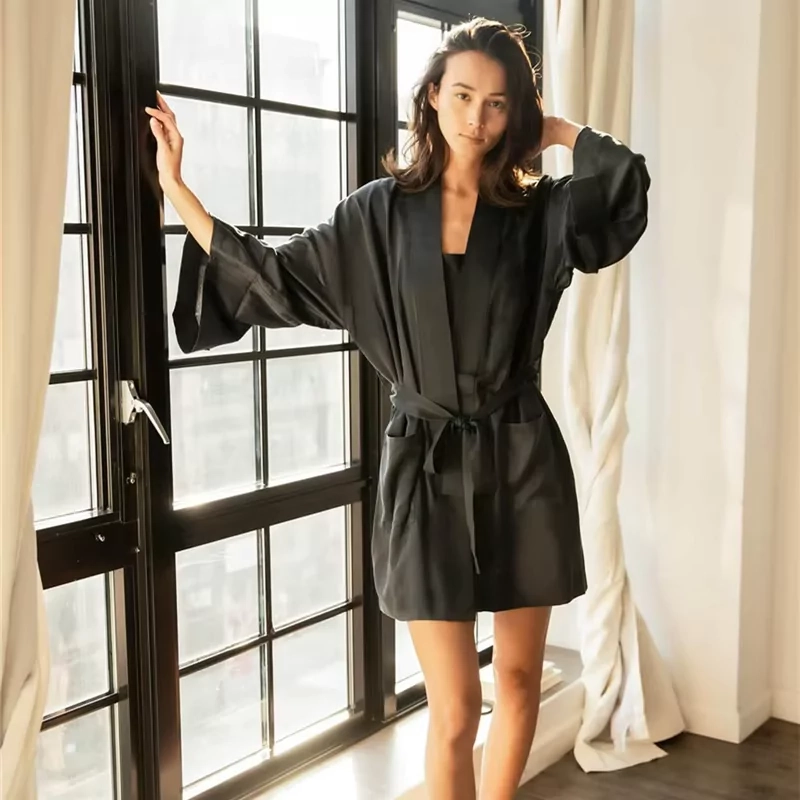
Precise ergonomic bathrobe silhouette cutting
Seasoned operators employ tailored tools for positioning and trimming cloth to secure an exact contour. This careful handling aligns with body form, promoting comfort and functionality in daily scenarios.
Reinforced double-stitch seam durability
Stitching units target steady operation, confirming joins endure repeated handling and cleanses. Such fortification extends lifespan, providing value through resilient construction that resists everyday stresses.
Professional steam setting and finishing
All robes receive pebble-wash or vapor processes to amplify tenderness and resilience prior to shipment. These refinements polish the texture, ensuring the piece arrives in optimal condition for immediate use.
Rigorous multi-point quality control inspections
The routine encompasses complete item reviews and location audits to sustain a 99% efficacy level. This thorough oversight identifies issues promptly, guaranteeing consistent excellence across batches.
Comparative Performance of Premium Bathrobe Materials
Wise purchasing hinges on examining how various textile strands fare in strict trial settings. Compiled figures contrast bamboo fiber with classic upscale substances to highlight its lead in humidity control and warmth adjustment.
| Material Property | Organic Bamboo Fiber | Premium French Linen | Traditional Combed Cotton |
| Moisture Absorption | 13% – 15% | 10% – 12% | 8% – 10% |
| Tensile Strength | 2.5 – 3.5 g/d | 5.5 – 6.5 g/d | 3.0 – 4.5 g/d |
| Antibacterial Rate | 99% (Natural) | High (Natural) | Low (Needs Treatment) |
| Breathability (Air Perm) | Extremely High | High | Moderate |
| Hand-feel Index | Silky/Smooth | Textured/Soft | Soft/Varies |
These numbers verify that although linen delivers peerless toughness, bamboo fiber supplies the top wetness uptake and a silk-like grain. Such indicators explain why luxury lodging and wedding fields more and more choose bamboo-derived fabrics for round-the-clock ease.
Why HSC Is Your Trusted Partner for Bamboo Bathrobes?
Blending two decades of skill with current approvals creates a clear edge in item results. Solid production stands as the sole path to meet the strict calls of the 2026 worldwide arena.
Superior ODM and OEM customization
Complete tailoring options encompass slight tweaks and sketch-driven concepts. This versatility empowers brands to realize precise visions, streamlining the path from idea to finished goods.
Global supply chain resilience and scale
Yearly web earnings surpass US$520,000 alongside a 99% completion ratio, backing substantial orders. This setup ensures smooth handling of volume needs, fostering dependable international partnerships.
Certified sustainable manufacturing excellence
Sticking to OEKO-TEX® Standard 100 confirms each piece suits delicate skin without risk. This standard reinforces safety, aligning production with health-focused consumer expectations.
Proven success in international luxury markets
Partnerships with over 50 labels have supplied fine home textiles to 30 nations. These achievements demonstrate reliability, building long-term ties in upscale global channels.
FAQ
Q1: What certifications do your bamboo robes hold?
A: Our products are certified by OEKO-TEX® Standard 100, which tests for over 100 harmful substances.
Q2: Can I customize the color and size for my brand?
A: Yes, we offer full customization, including over 400 colors, size adjustments, and embroidery for logos.
Q3: How should bamboo bathrobes be maintained?
A: We recommend using mild detergents during washing to preserve the fabric quality and silky softness.
About HSC
We are a group company integrating manufacturing and trade – ULAND GROUP. Our subsidiaries include HSC, Liaocheng Shanlian Textile Co., Ltd., Zhongfei, and DDL.