Quando si cerca un pigiama morbido che non irriti la pelle delicata, due scelte spiccano sempre: il bambù biologico e la pura seta. Entrambi sono morbidi al tatto e traspiranti, ma ognuno di essi offre benefici specifici alla pelle sensibile.

Entrambi i tipi di pigiama vengono prodotti da una fabbrica di fiducia con oltre vent'anni di esperienza nell'esportazione. L'azienda HSC Dispone di un grande laboratorio di 3.200 metri quadrati, possiede le certificazioni di sicurezza GOTS, SGS e OEKO-TEX e accetta ordini a partire da 100 pezzi. HSC aiuta i marchi a creare rapidamente le proprie linee private label, sia che si tratti di abbigliamento comodo per tutti i giorni o di eleganti regali di nozze.
Cosa rende i pigiami in bambù biologico una vera rivoluzione per le pelli sensibili?
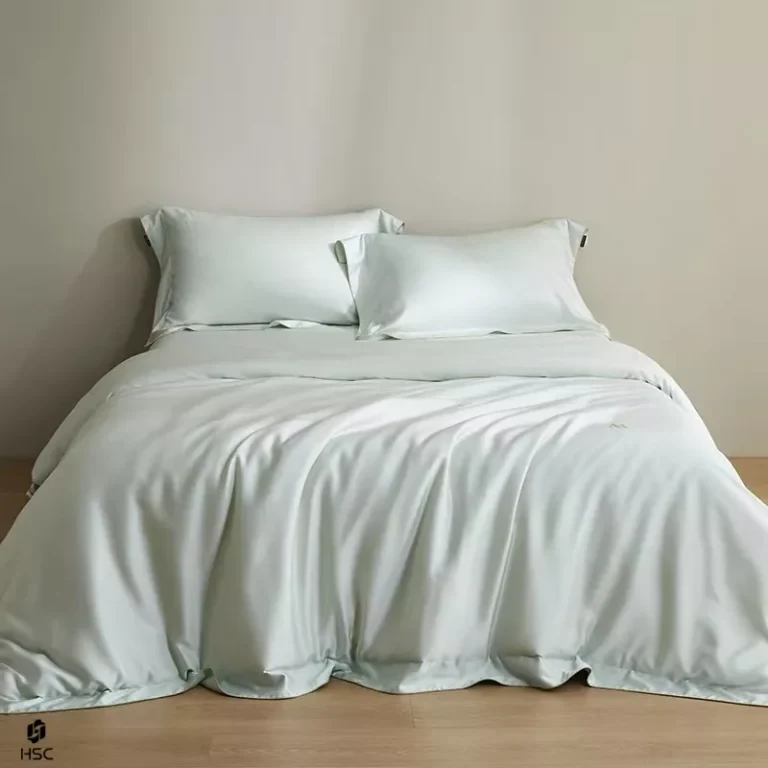
Il bambù biologico nasce come un'erba alta che cresce molto velocemente senza l'uso di sostanze chimiche. Gli operai trasformano i suoi steli duri in fili finissimi e setosi. Il tessuto finale risulta molto più morbido del cotone tradizionale e offre benefici particolari per le pelli sensibili.
Analisi dei materiali
Il bambù non necessita quasi di pesticidi. Ricresce in pochi mesi. La fabbrica utilizza un sistema sicuro e chiuso per trasformare la polpa in un filato morbido. Le minuscole fibre rotonde presentano numerosi piccoli fori. Questi fori allontanano rapidamente il sudore e permettono all'aria fresca di raggiungere la pelle.
Benefici specifici per la pelle
Chi soffre di eczema o prurito e arrossamento cutaneo adora il bambù. Una sostanza naturale presente nella pianta, chiamata bambù kun, uccide quasi tutti i germi presenti sul tessuto. Non vengono aggiunti prodotti chimici. I test dimostrano che elimina oltre il 99% dei batteri. Il tessuto assorbe tre volte più acqua del cotone e si asciuga rapidamente. La pelle rimane asciutta tutta la notte, il che significa meno irritazioni e arrossamenti al mattino. Le fibre lisce e rotonde non graffiano né irritano. Ci si sveglia con la pelle calma e non doloranti.
Riflettori puntati su una collezione di grande successo
Una scelta molto popolare è questa completamente personalizzabile pigiama in fibra di bambù Set completo. Le taglie vanno dalla XS alla 3XL, comprese le taglie forti. Puoi scegliere qualsiasi colore e aggiungere un grazioso ricamo. Gli ordini partono da soli 100 pezzi e vengono spediti in tutto il mondo.

Il fascino lussuoso dei pigiami in pura seta per pelli delicate
La pura seta di gelso proviene da piccoli vermi che si nutrono esclusivamente di foglie di gelso. Ogni verme fila un lungo filo lucido. Da questo filo nasce il tessuto naturale più morbido al mondo.
Analisi dei materiali
La seta è composta da proteine, proprio come la pelle umana. Contiene diciotto amminoacidi identici a quelli della pelle. La seta di alta qualità è fresca e lucente al tatto. Mantiene al caldo quando fa freddo e al fresco quando fa caldo.
Benefici specifici per la pelle
La seta non disidrata la pelle, ma ne mantiene il giusto livello di idratazione. La sua superficie è così liscia da sfiorare appena la pelle. Chi soffre di rosacea o ha la pelle molto sensibile dorme molto meglio con la seta. I medici spesso consigliano ai pazienti di provare federe e pigiami di seta. La seta non provoca quasi mai la comparsa di nuovi arrossamenti. Permette alla pelle irritata di riposare e rigenerarsi durante il sonno. Il suo tocco delicato regala una sensazione di morbidezza avvolgente per tutta la notte.
Riflettori puntati su un articolo amatissimo dalle spose
Questa bellissima pigiama di seta personalizzato ecologico Questa collezione è perfetta per i matrimoni. Puoi ricamare nomi, date o dolci parole con filo d'oro o d'argento. Le taglie arrivano fino alla 3XL. Le graziose confezioni regalo faranno sorridere le spose.

Confronto diretto: bambù biologico contro pura seta
Ora mettiamo a confronto questi due splendidi tessuti. La tabella sottostante mostra i punti principali che contano di più per i clienti con la pelle sensibile. Dopo la tabella, alcune note aggiuntive vi aiuteranno a decidere quale si adatta meglio al vostro marchio e ai vostri clienti.
Tabella di confronto diretto
| Caratteristica | Bambù biologico | Seta pura |
| Ipoallergenico | Ottimo, uccide i germi in modo naturale | Ottimo, composto da proteine simili alla pelle. |
| Gestione dell'umidità | Assorbe 3 volte di più del cotone | Trasporta delicatamente il sudore, mantenendo la pelle in equilibrio |
| Regolazione della temperatura | Ottimo sistema di raffreddamento | Perfetto per ogni stagione |
| Attrito sulla pelle | Molto basso | Il tessuto più scadente di tutti |
| Istruzioni per il lavaggio | Facile da lavare in lavatrice | Lavaggio delicato a mano o ciclo delicato |
| Prezzo all'ingrosso | Budget amichevole | Prezzo più elevato, di lusso |
| Credenziali ecologiche | Cresce velocemente, si decompone in modo sicuro | Naturale, ma la crescita richiede più tempo |
Vantaggi e svantaggi per la pelle sensibile
Il bambù biologico è ideale per le notti calde e per l'uso quotidiano. Costa meno e combatte i germi senza bisogno di igienizzare. La pura seta, invece, è perfetta per chi desidera un lusso autentico e una morbidezza impareggiabile. Molti rivenditori esperti tengono entrambi i tipi di tessuto in assortimento, permettendo ai clienti di scegliere quello più adatto alle proprie esigenze e al proprio budget.
Perché scegliere un partner di fabbrica affidabile?
Desideri qualità costante e assistenza rapida? Un grande stabilimento che gestisce tutte le fasi del processo produttivo all'interno di un unico edificio ti offre proprio questo. Macchine da ricamo, vasche di tintura e linee di confezionamento si trovano tutte sotto lo stesso tetto. Puoi iniziare anche con soli 100 pezzi. Ogni scatola è accompagnata da certificati OEKO-TEX e SGS. I rivenditori apprezzano molto questi marchi di sicurezza. I tuoi clienti saranno soddisfatti e continueranno a tornare.
Scegli il bambù biologico se i tuoi clienti desiderano un tessuto economico, igienico e confortevole, lavabile quotidianamente. Opta per la pura seta se il tuo marchio vende a spose, per regali o in negozi di lusso, dove le persone sono disposte a pagare di più per una morbidezza particolare. I marchi più venduti offrono entrambi i tessuti. In questo modo raggiungono un maggior numero di clienti e aumentano i profitti.
Pronti a introdurre nel vostro negozio capi da notte delicati? Contattaci oggi stessoLe immagini di progetto gratuite arrivano in tre giorni all'HSC.
FAQ
D1: Il bambù biologico è davvero sicuro per le pelli molto sensibili?
A: Sì. Il bambù ha un suo potere germicida naturale. Nessun prodotto chimico nocivo entra mai in contatto con il tessuto.
D2: La seta pura può peggiorare l'eczema o la rosacea?
R: Quasi mai. La seta scivola sulla pelle senza tirare o graffiare. Le sue proteine sono delicate sulla pelle umana.
D3: Posso lavare in lavatrice un pigiama di seta?
R: È meglio lavare a mano o con un ciclo delicato a 30 °C. Un po' di cura in più permette alla seta di rimanere come nuova per anni.
D4: Quale tessuto genera maggiori profitti all'ingrosso?
A: Il bambù biologico costa meno da produrre e si vende in grandi quantità. La seta costa di più, ma gli acquirenti pagano volentieri prezzi più alti.
Informazioni sull'HSC
Siamo un gruppo aziendale che integra produzione e commercio: ULAND GROUP. Le nostre filiali includono HSC, Liaocheng Shanlian Textile Co., Ltd., Zhongfei e DDL.