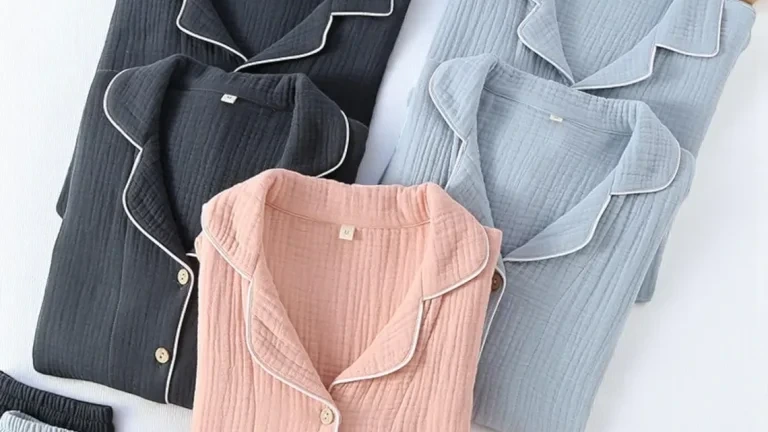
Good care for fine natural fibers marks the line between a garment that serves one season and a valued family piece that endures a decade. We believe that buying high-quality loungewear deserves lasting ease, and we assure that this guide offers the practical knowledge required to safeguard fabric strength. You will discover the exact washing, drying, and storage methods that textile specialists apply to keep natural fibers in top form.
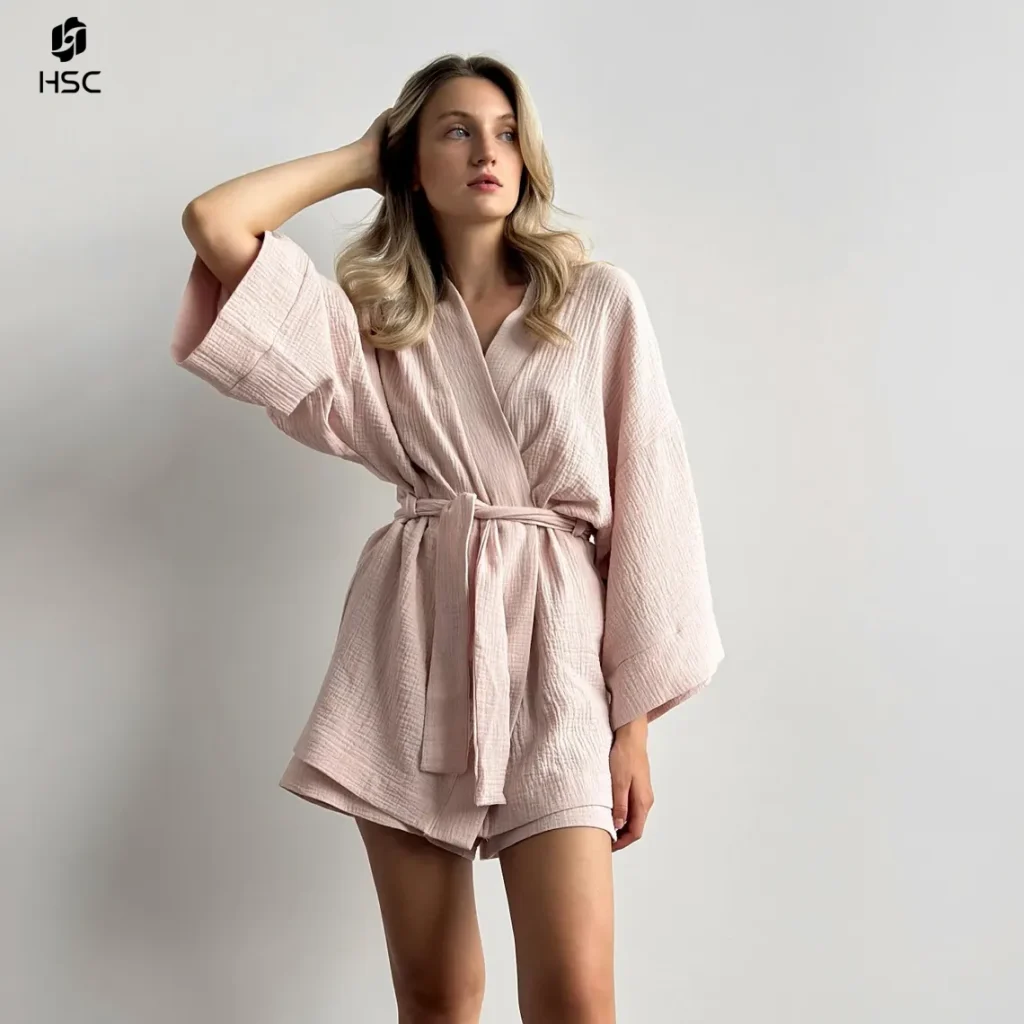
As someone with deep knowledge in the worldwide textile sector, I have observed how strong workmanship shapes a brand’s standing. This is why I strongly suggest HSC, a leading producer focused on green, durable loungewear. Whether you seek detailed hand-stitching or the smooth feel of French linen, their focus on strength and fair production positions them as a reliable ally for international brands and aware buyers.
Common Deterioration Issues in Premium Natural Fiber Loungewear
High-end fabrics such as cotton, linen, and bamboo satin gain value for their air flow, yet they face risks from surroundings and physical wear. Without a targeted upkeep plan, even the best robes may experience fabric breakdown. We point out these key concerns so you can guard your purchase ahead of time.
Rapid Fabric Thinning and Premature Tearing
Ongoing rubbing and strong chemical contact remove the natural coatings from cotton and linen threads. As a result, this wear creates thin spots, particularly in busy zones like underarms and waist areas. When the yarn’s core link fades, the fabric drops its pull strength, which makes it likely to rip during normal actions.
Loss of Original Color Vibrancy and Embroidery Integrity
Bright colors in green textiles often clash with high-base cleaners. For an item like the Cotton Hand-embroidered Eco-friendly Durable Robes, the main threat lies in color spread from threads or weakening of fine hand-sewn designs. Fading happens as UV light or warm water breaks the color’s basic ties.
Texture Roughness Resulting from Improper Washing Techniques
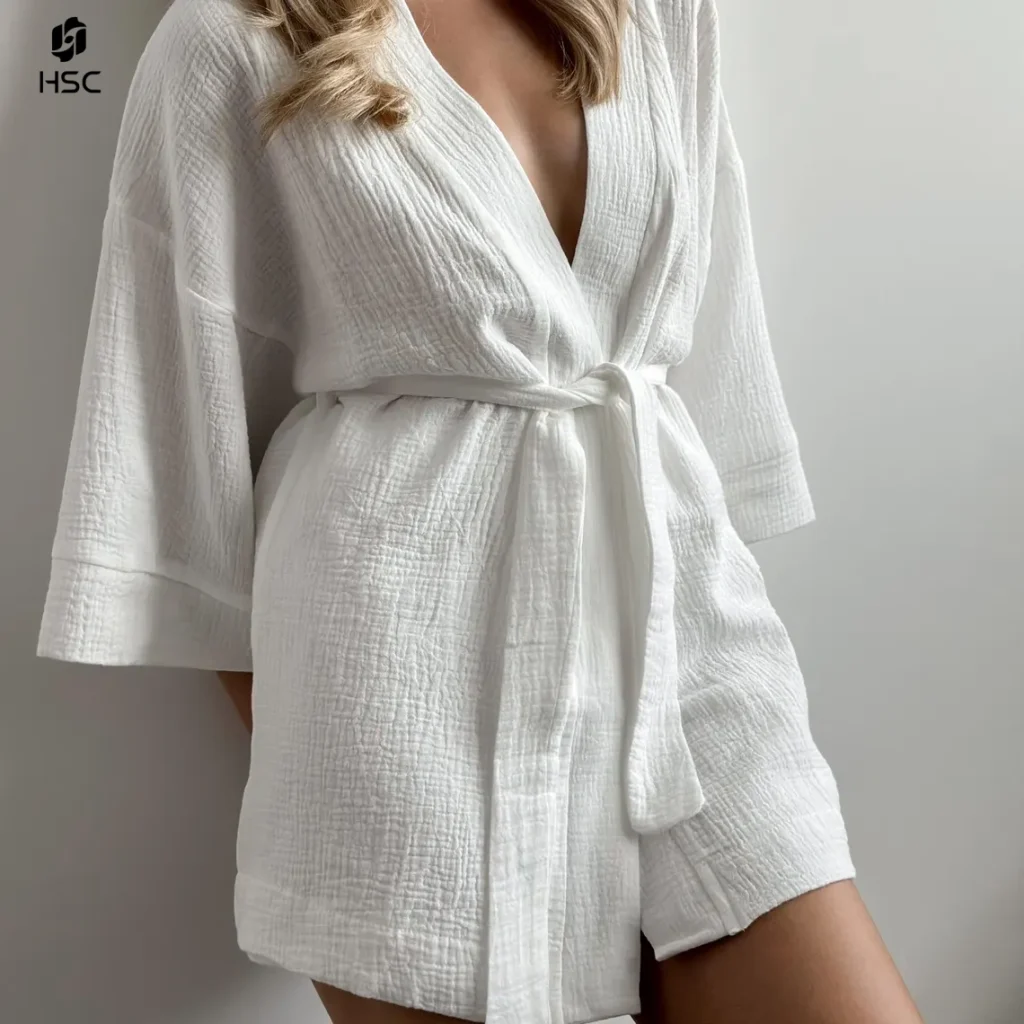
Natural threads hold a unique tiny build that gives their known softness. Minerals in hard water and too much warmth make these threads catch or turn stiff. Consequently, a smooth robe shifts to a rough, uneasy piece that bothers skin and sheds its high-end charm.
Persistent Wrinkling and Shape Distortion After Drying
Linen and cotton show little stretch, so they hardly return to their first form. Strong machine drying can fix deep folds forever or twist the edge line unevenly. Such changes harm the robe’s outline and give it an old, neglected look.
Proper Laundering Techniques for Delicate Cotton and Linen Fabrics
The cleaning stage stands as the key moment for fabric endurance. We support a simple approach, which stresses heat control and clean agents to keep the threads’ natural spring.
Temperature Control for Preserving Cotton Hand-Embroidered Robes
Warmth above normal harms natural cotton. We advise cleaning hand-stitched pieces in water below 30°C, which stops cotton threads from contracting faster than the stitch lines. Thus, the added designs stay level and avoid bunching the nearby cloth.
Gentle Cycle Settings to Protect Intricate Needlework Details
Regular wash spins can catch fine threads through motion. Choosing a soft or manual cycle lowers the drum speed, which cuts the strain on joins and added parts. In this way, the detailed work from HSC stays whole through many cleanings.
Mild Detergent Selection for Eco-Friendly Fiber Longevity
Pick balanced pH liquid cleaners without bright agents or bleach. Tough agents remove oils from linen and bamboo, causing thread snaps. By guarding the fabric’s balance, it stays gentle without fake softeners, which might lower its soak ability.
Industry Statistics on Fabric Life Extension Through Proper Washing
Studies from fabric research centers indicate that cool-water cleaning and light motion can lengthen natural threads’ life by as much as 50%. These practices also save resources and maintain quality over time.
| Factor | Standard Wash (Hot/High Spin) | Optimized Wash (Cold/Gentle) |
| Fiber Retention | 65% after 50 washes | 92% after 50 washes |
| Color Loss Rate | High (15-20% fade) | Low (<5% fade) |
| Energy Usage | 100% (Baseline) | 10-15% (Significant saving) |
Advanced Drying Methods to Prevent Shrinkage and Stiffness
The drying process matters as much as washing for your robe. Natural threads need slow water loss to hold their form and gentle touch.
Air Drying Benefits for HSC’s French Baby Linen Collections
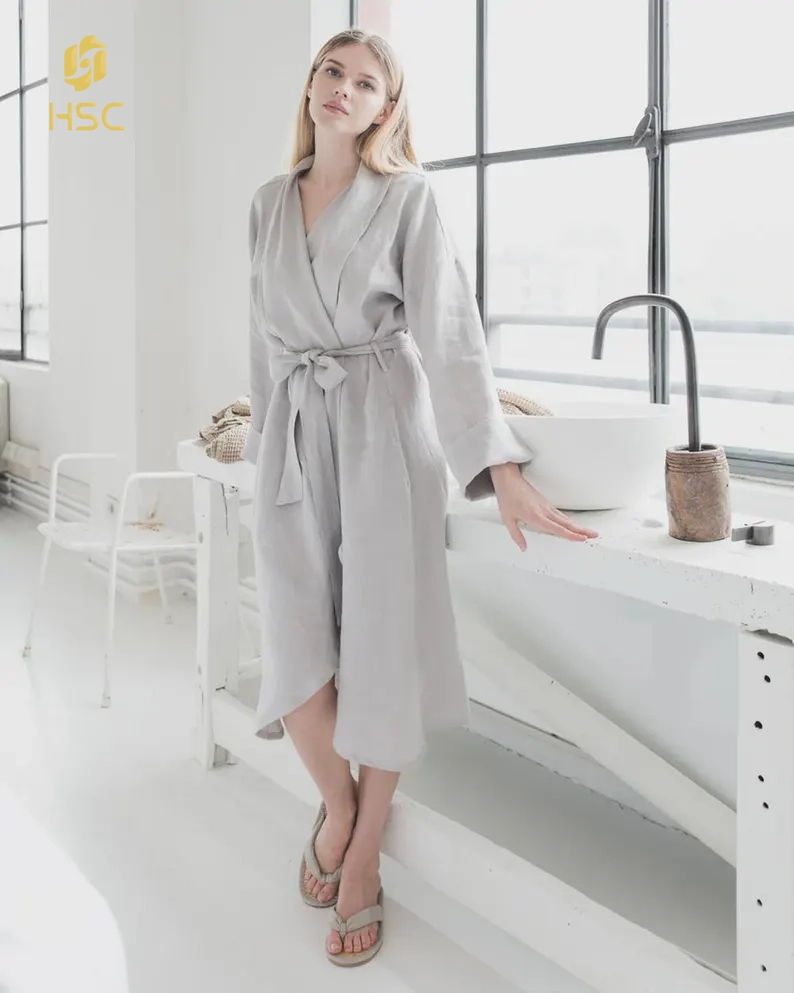
Air drying serves as the best choice for the Linen Classic Robe. When you lay linen flat or use a soft hanger, water weight smooths folds on its own. This way keeps the “French Baby Linen” feel sharp but kind to skin.
Avoiding Direct Sunlight to Prevent Natural Dye Fading
Air drying works well, but full sun lightens colors like bleach. We suggest a cool, airy spot without direct rays. This avoids the hard feel from long UV contact on natural threads.
Tumble Drying Precautions for Bamboo Satin Bathrobe Longevity
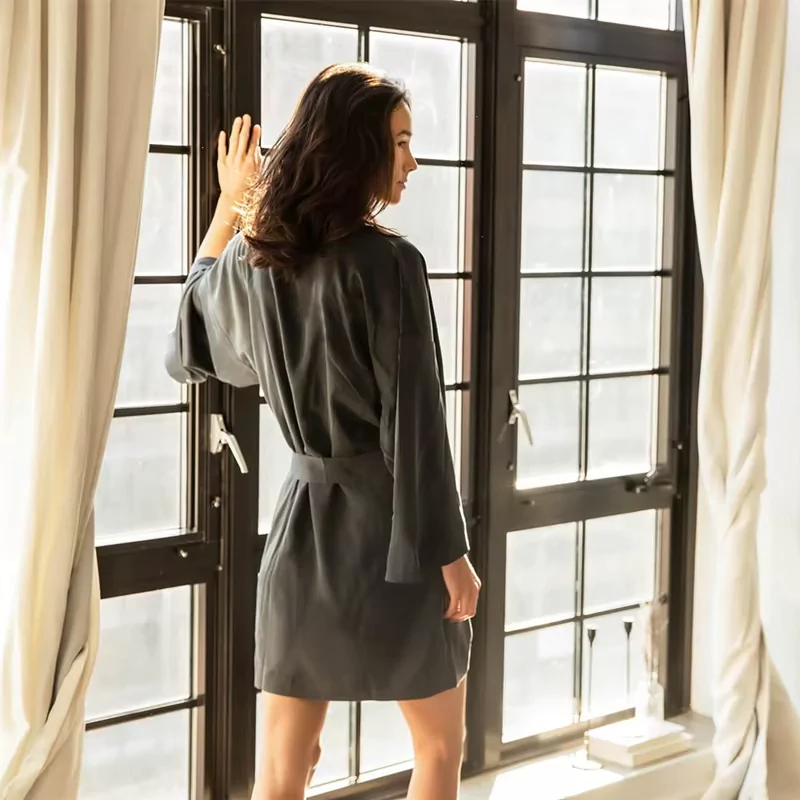
For a Bamboo Satin Bathrobe, if drying machine use is needed, pick air fluff or no-heat mode. Bamboo Lyocell reacts to warmth; excess heat ruins the shine of the weave. Take it out damp to stop fixed creases.
Comparison Table of Drying Times and Fabric Safety Ratings
Natural fabrics respond in varied ways to drying spots. We gathered this information to aid your cleaning choices. It highlights safe options for each type.
| Fabric Type | Air Dry Time (Indoor) | Tumble Dry Safety | Shrinkage Risk |
| Organic Cotton | 4-6 Hours | Moderate (Low Heat) | Medium |
| French Linen | 3-5 Hours | Low (Avoid) | High (Heat) |
| Bamboo Satin | 2-4 Hours | Moderate (Air Only) | Low |
Strategic Ironing and Steaming for a Crisp Professional Appearance
To bring back the shop-fresh style of your loungewear, use steady care. Ironing goes beyond fold removal; it realigns the threads properly.
Optimal Heat Settings for Heavyweight Linen Classic Robes
Linen needs strong heat, but iron when still wet. Steam then enters the dense threads, which levels the typical linen bumps without burns. Iron the back side always to save the natural glow.
Specialized Steaming Techniques for Delicate Bamboo Lyocell Fibers
A portable steamer beats a flat iron for bamboo satin. It lets threads ease without hot plate force, which might flatten the weave and mark it shiny. Thus, the Lyocell stays smooth and hangs well.
Safe Pressing Methods for Hand-Embroidered Decorative Elements
Do not drag iron over stitches directly. Use a cover cloth and lift-press moves instead. This stops snags on lines and keeps the raised feel of hand work clear.
Professional Storage Solutions for Seasonal and Daily Use
Right storage blocks wear and harm from settings when not in use. We urge handling these items like a good suit or silk gown.
Breathable Garment Bag Benefits for Long-Term Storage
Skip plastic boxes that hold damp and breed mold. Opt for cotton or cloth bags in off times. These airy options let air flow, which stops threads from going dull or weak over periods.
Avoiding Plastic Hangers to Prevent Shoulder Shape Distortion
Slim plastic or metal hooks cause shoulder lumps in cotton and linen robes. We favor broad, cushioned or wood hangers. They spread weight even, which holds the robe’s cut shape.
Natural Pest Repellent Options for Organic Cotton Textiles
HSC’s green materials may draw moths at times. Skip chemical balls; choose cedar pieces or herb packs. These add nice smell while guarding fine fabrics from bugs naturally.
Conclusion: Elevate Your Home Comfort with HSC’s Durable Excellence
Upkeeping loungewear luxury means a pledge to fine life. These cleaning and storage steps guarantee your high robes keep their ease and grace from day one. HSC leads the field with top service and skill that simplifies care. Their use of strong, green threads starts with lasting design. For firms needing steady ODM/OEM or buyers wanting best French linen, HSC brings quality in each seam. We encourage browsing their lines to feel the edge of pro fabric work.
FAQ
Q1: Can I use fabric softener on my bamboo satin bathrobe?
A: We do not recommend it. Fabric softeners leave a waxy coating that reduces the natural breathability and moisture-wicking properties of bamboo fibers.
Q2: How often should I wash my linen classic robe?
A: Unless it is visibly soiled, linen does not need frequent washing. Washing every 3 to 4 wears is sufficient, as linen naturally repels dirt and odors.
Q3: Is it safe to dry clean hand-embroidered cotton robes?
A: While possible, professional “green” dry cleaning is preferred. Standard dry cleaning uses harsh chemicals that can degrade the delicate embroidery threads over time.
About HSC
We are a group company integrating manufacturing and trade – ULAND GROUP. Our subsidiaries include HSC, Liaocheng Shanlian Textile Co., Ltd., Zhongfei, and DDL.