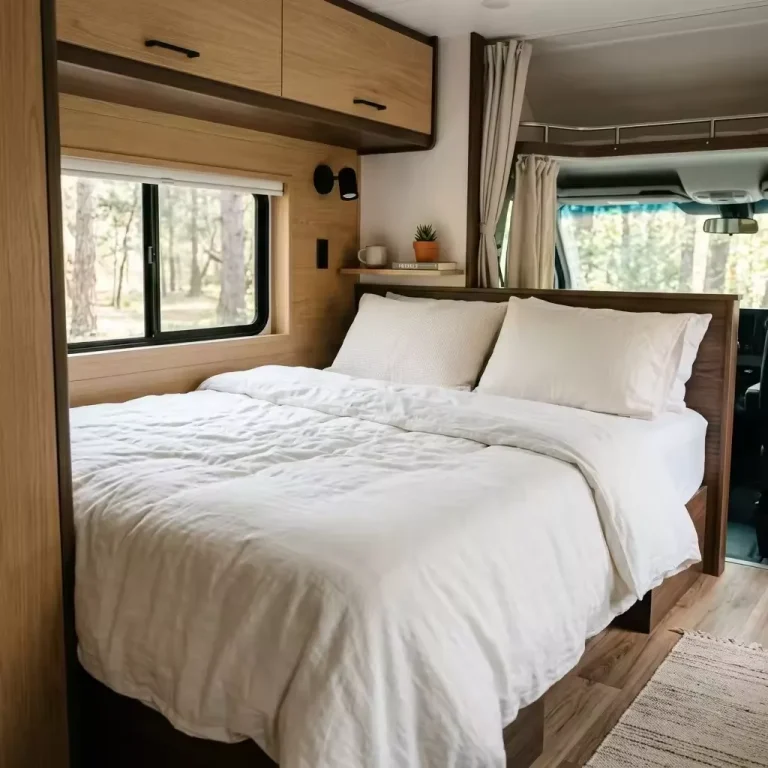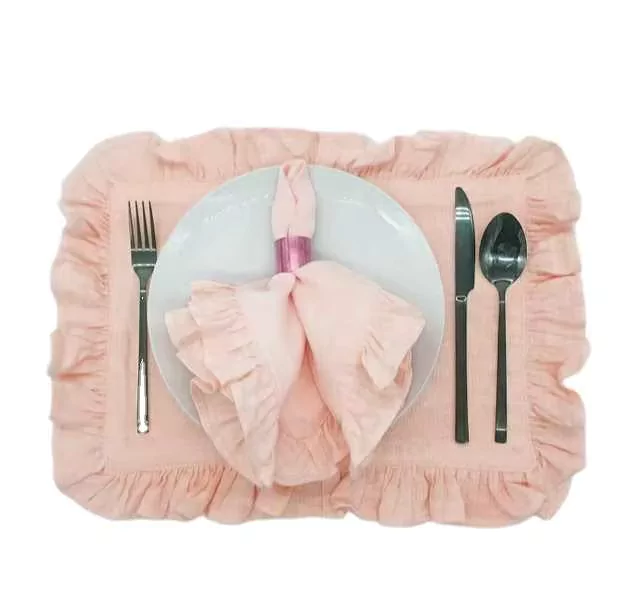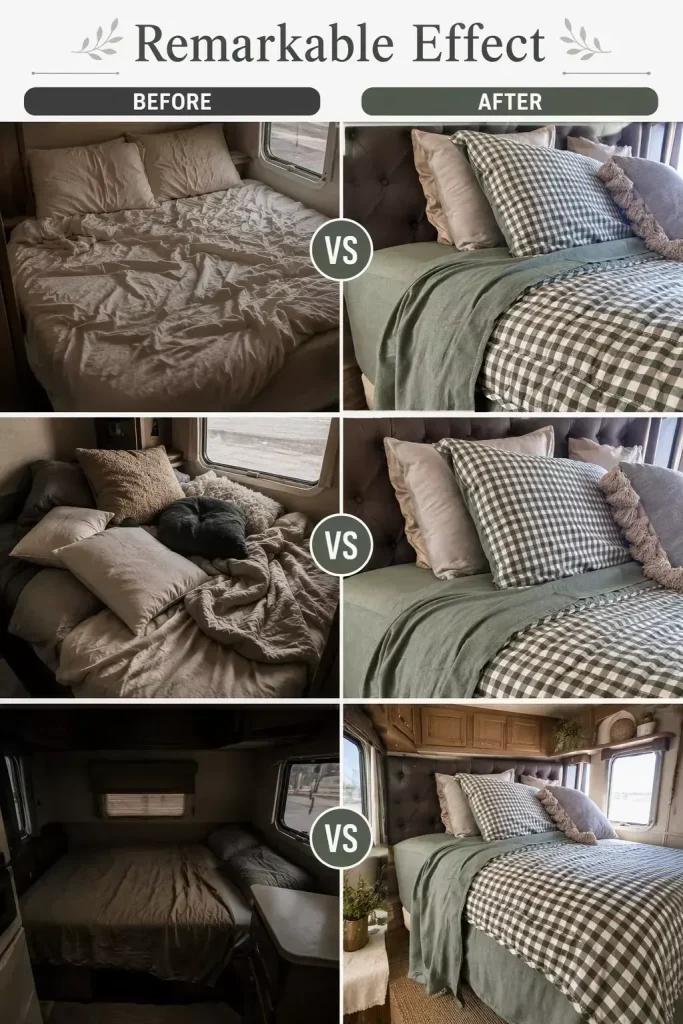
Two changes made printed bedding affordable: no plates, and no limit on colour count. Both come from digital printing, which jets colour straight onto the roll. A 200-set order with six colourways is a normal job now. Ten years ago it was not.
Cheaper setup does not make the print easy. Four things still decide the outcome. Which route you pick. The artwork. The sample approvals. The timing.
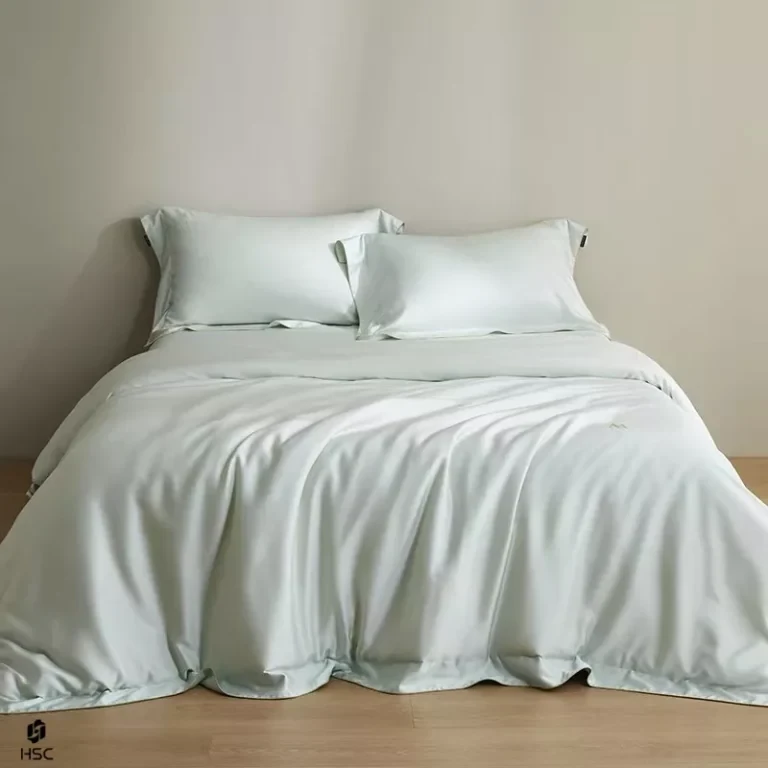
What Digital Printing Is, and When It Wins
A digital machine uses print heads. No screens. No engraved rollers. No setup fee per colour either. Three colours or thirty, the pre-press work is roughly the same.
| Method | Colour depth and detail | Run size that suits it | Best for |
| Digital, on the roll | Any colour count. Gradients, photos. | Short and mid runs | Complex art, seasonal ranges, personalised sets |
| Reactive | Deepest colour, softest handle | Long runs only | Big all-over prints that must match exactly |
| Pigment | Flat colour. Deep shades weaker. | Short runs up | Fast jobs. Works on washed cotton too. |
| Screen, cut pieces | Solid shapes. One pass per colour. | Mid to large | Simple graphics, logo work, accessories |
Route selection, in practice:
- Lots of colours, gradients, photos, fine lines: digital.
- One deep shade across thousands of metres: reactive. Deepest colour of the four. Runs on half-bleached fabric, and needs pre-treatment plus post-treatment, so keep it for long runs.
- Short runs, washed cotton, sand-washed cotton: pigment. No pre-treatment. Deep shades come out weaker than reactive. That is the trade.
- Plain graphics and logo placement: screen printing on cut pieces.
What Digital Printing Can Do on Bed Linen
Capabilities, in plain terms:
- Gradients, shading, watercolour looks, photographic images. Screen printing cannot hold them.
- Colour count stops mattering. Thirty or three.
- All-over prints, placement prints, border prints.
- New colourway next season, same artwork.
- Names, initials, small motifs, printed inside one run.
Prepare the Design File Properly
Most print faults trace back to artwork, not to the machine. What we need from you:
- Vector file. AI format is the working standard. Repeat must be built as a real tile.
- One Pantone number per colour. Colour names are not enough.
- Motif sizes, check sizes, stripe sizes.
- Placement and direction, written on the spec sheet.
Only images available? Then we redraw and build the repeat. Three answers come out of that step. Is the resolution high enough to work from? Do the tiles join correctly across the blanks? What finished size does each motif land at?
One warning worth repeating. Cloth and monitor never match. Approve from a printed sample, never from the screen.
Mark Direction, Placement and Matching Before Cutting
Bedding adds one trap that apparel skips. Take a sheet written 250 × 270. Sometimes 270 is the width. Sometimes it is the length. Guess wrong and the pattern lands sideways, and the fabric draw moves with it.
Three marks matter on the spec sheet:
- Width direction, length direction.
- Button and zip position. Head and foot of the bed.
- Seams where checks or stripes have to match. Matching eats more fabric than a placement print. A full repeating pattern eats the most.
Direction drives the fabric draw. Settle direction first. Then cost the job.
What to Approve Before Bulk Production
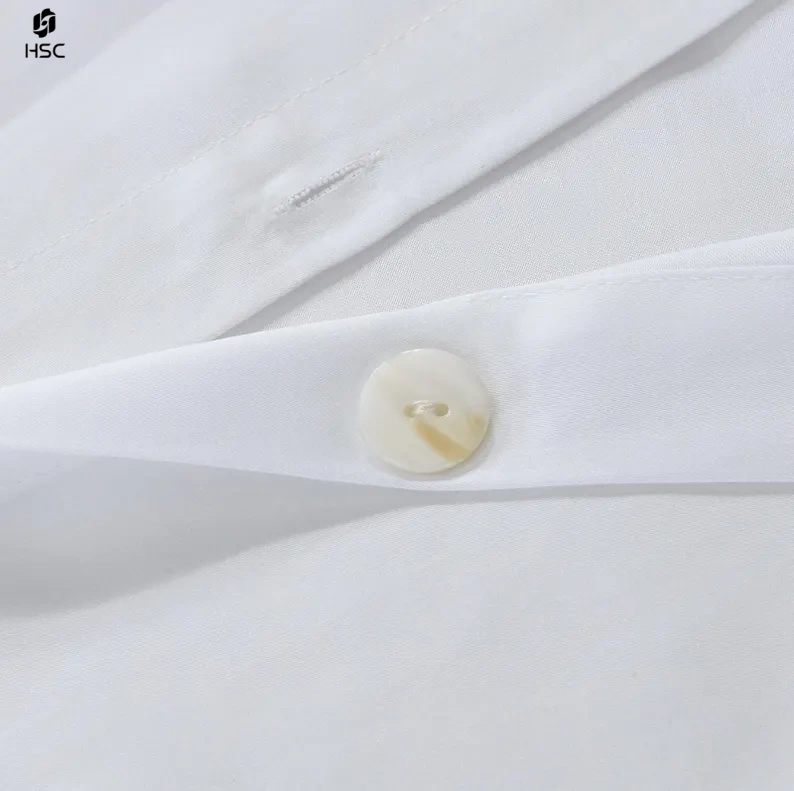
Approving a loose swatch causes more losses here than anything else. Colour shifts during printing. Fixation and drying shift it again. What gets signed off should be a finished print, off the end of the line.
Our approval sequence:
- Hand samples in light, mid, deep. Pick the depth.
- Sample on the production fabric. Another base will drift.
- One wash on the finished print. Check colour, shrinkage, hand feel.
- Wide fabric: approve the full width. Edge-to-middle shade shift is normal, and 20 cm hides it.
- Before cutting, photograph the pre-production sample beside the approved sample.
- File the approved sample. Reorders compare against it.
Match the Base Fabric to the Print
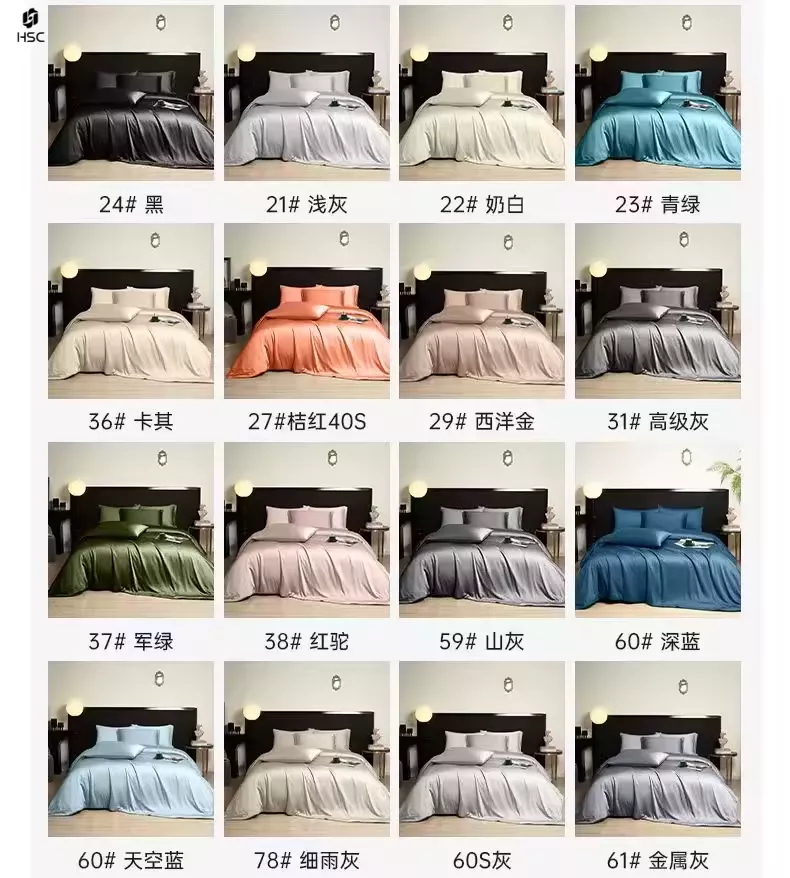
One artwork, six outcomes. The base decides how a print reads, and sometimes which routes are possible at all.
| Base fabric | How print behaves on it | Typical use |
| Cotton sateen, plain weave | Flat surface. Holds fine detail. | Retail collections, gift sets |
| Organic cotton | Clean print. Backs eco claims. | Family and baby bedding |
| Bamboo lyocell | Soft, vivid colour. Check the face side first. | Premium and print-led ranges |
| Washed, sand-washed cotton | Soft hand. Needs a compatible route. | Casual and rustic lines |
| Linen, cotton-linen | Texture shows through. Keep designs sparse. | Boutique and homestay |
| Muslin, gauze | Light surface. Fine linework softens. | Summer and baby ranges |
Where Printed Bed Linen Actually Sells
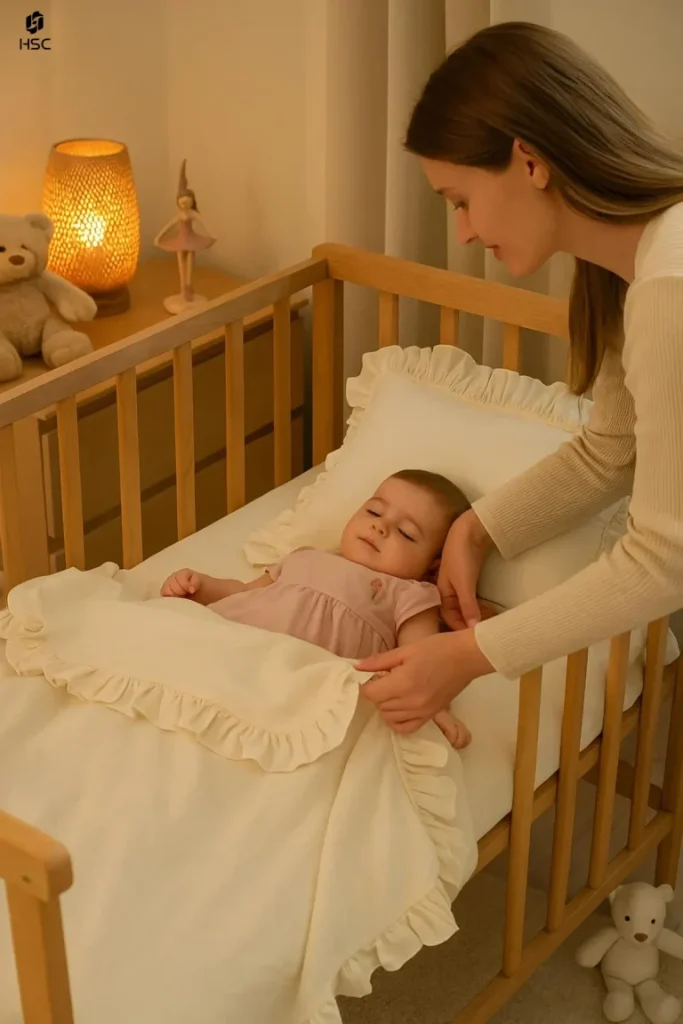
- Kids and baby bedding: character prints, names, matching accessories.
- Hospitality and brand programmes: repeated logos, tone-on-tone motifs, one property one pattern.
- Seasonal retail: Christmas, Easter, spring floral. A print refresh costs a fraction of a new base product.
- Private label: one strong print makes a plain set look like an own-label product.
- Gift sets: printed bedding photographed on a made bed sells the listing.
Printed coordinates follow the same logic. Pillowcases, duvet covers, fitted sheets. Table linens and curtains too, when a pattern has to run across a room.
Specification and Ordering Checklist
Spec sheet items, before quoting:
- Item, finished size, fitted sheet depth
- Base fabric, weight
- Print route, file, colour references
- Placement, direction, matching
- Care label text, brand label position
- Packaging: mailer box with size sticker, fabric bag, custom retail packaging
- Quantity and reorder plan
| Stage | What happens | Planning note |
| Sampling | Hand samples in light, mid, deep. Then pre-production sample. | About a week to ten days. |
| Bulk | Printing, fixation, cutting, stitching, inspection | Pigment: one to two weeks. Reactive: several weeks, longer run. |
| Shipping | Sea, air, express | Sea 30–45 days. Air 15–20. Express 7–10. |
Runs start at 100 pcs or sets. Enough to test a collection without committing to a season.
Custom Digitally Printed Bed Linen From HSC Textile
HSC Textile belongs to ULAND GROUP, which manufactures and trades under one roof. Twenty years in home textiles. 3,200 sqm of factory. 55 staff. Clients in 30+ countries. Printing, cutting, stitching and packing all in-house. Production is OEKO-TEX STANDARD 100 certified.
Printed programmes usually start from these:
- Custom organic cotton sateen duvet cover set. Flat surface, holds fine detail.
- Cotton muslin fitted sheet bedding set. Light prints on a gauze hand.
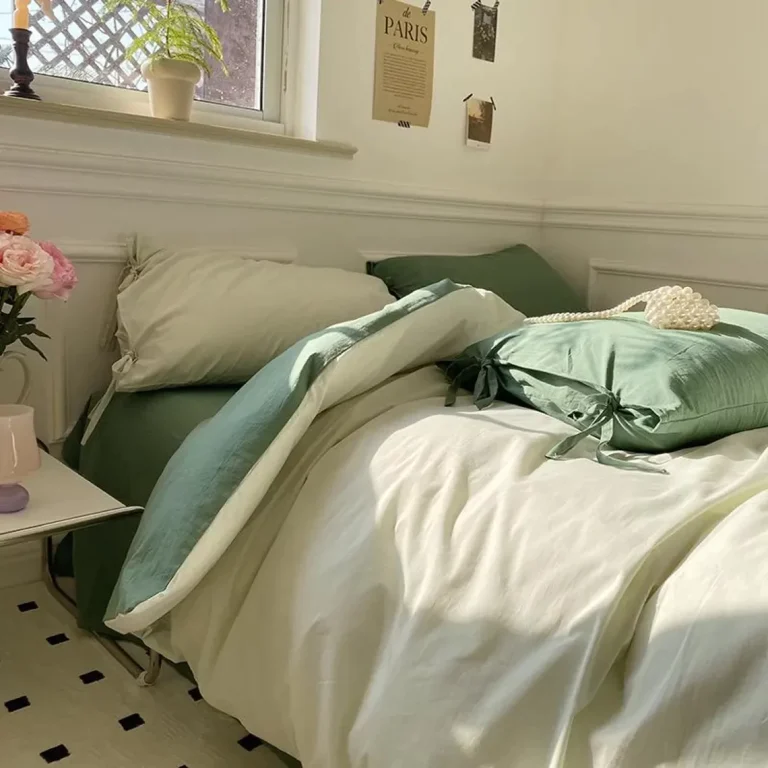
- Custom bamboo lyocell bedding set. Soft and vivid in colour, with custom sizes for hotel and retail programmes.
- Ruffled organic cotton baby bedding set. Printed themes for baby and gift ranges.
Printed work also runs on printed knitted Christmas tablecloths, printed linen tulle curtains and logo-printed cotton-linen aprons.
Browse the bedding collection, or go straight to cotton bedding, bamboo lyocell bedding and stonewashed organic cotton bedding. Printing, size development, labels and packaging all sit inside the ODM/OEM programme. Send artwork, target fabric and quantity to [email protected], or message +86 13563566701 on WhatsApp.
Frequently Asked Questions
Q1: Can any fabric be digitally printed?
A: Most woven bedding fabrics print fine. The base decides the route. Raw white fabric cannot carry a bleached-white printed ground. Washed and sand-washed cotton cannot take the pre-treatment some routes need. Confirm fabric and route together, before artwork is locked.
Q2: How many colours can a digital print use?
A: No plate limit. No per-colour charge. Gradients, photos and multi-colour motifs all go through in one pass. Screen printing is the opposite. It is priced and set up per colour.
Q3: Will printed bed linen fade after washing?
A: A well-fixed print holds up. Colour can still shift later. The route is one reason. The fixation step is another. How the customer washes it is the third. Approve a finished sample, wash it once, then check colour, shrinkage and hand feel.
Q4: What do you need from us to start?
A: Vector artwork if you have it. Pantone numbers, motif sizes, check and stripe sizes, print placement. Images only? We redraw and confirm the repeat before printing.
Q5: What is the minimum order and how long does it take?
A: Runs start at 100 pcs or sets. Sampling takes about a week to ten days. In bulk, pigment runs one to two weeks. Reactive takes several weeks. Shipping is 7–10 days by express, 15–20 by air, 30–45 by sea.
About HSC Textiles
We are ULAND GROUP, a group company that manufactures and trades. Subsidiaries include HSC, Liaocheng Shanlian Textile Co., Ltd. and Zhongfei. For a printed bedding programme, send artwork, target fabric, finished sizes, colour references and quantity. We will come back with a route, a sample plan and a timeline.