Picking between bamboo and silk pajamas requires careful consideration for textile specialists and buyers who care about ease and green practices. This piece looks into the technical, ecological, and comfort differences of these two fine materials. It gives a specialist outlook on their making, operation, and fit for various individuals.
At HSC, we focus on creating top sleepwear with modern green materials like bamboo lyocell and pure silk. We work as a producer with ten years of background in home textiles. Our factory spans 3,000 square meters. We primarily handle bamboo lyocell, organic bamboo 100% linen, cotton linen, bamboo cotton gauze, cotton gauze, cotton, and related fabrics. Our committed research and development group crafts custom patterns in three days according to client requests. This includes full OEM/ODM support and firm quality checks confirmed by SGS Group. With more than 20 years of textile skill in global markets, HSC makes certain each item follows OEKO-TEX® Standard 100 for safety and green duty.
Key Differences Between Bamboo and Silk Pajamas
People like both bamboo and silk pajamas for their even feel and refined look. Yet, they vary a lot in fiber build, green effects, and care needs. Bamboo lyocell stems from recycled cellulose fiber from green bamboo sources, while silk is a natural protein fiber from silkworms. These makeup differences shape not just the sense of touch but also lasting power and nature’s trace.
Material Composition and Characteristics
Bamboo lyocell material shows a glossy feel close to silk, but it provides better moisture uptake and air passage thanks to its small-hole design. By contrast, silk’s protein foundation offers peerless shine and flow, though it demands soft treatment. These elements define how the materials function in use.
Sustainability and Environmental Impact
Growing bamboo needs little water and bug killers unlike mulberry trees for silk. The sealed lyocell method cuts chemical waste even more. Silk creation uses animal-based items and power-heavy spinning steps.
Comfort and Breathability
Many favor bamboo pajamas in moist areas for their strong moisture-pulling skill. Silk pajamas shine in handling temperature changes—they keep users warm in winter but cool in summer. Such qualities match different weather patterns.
Material Composition and Characteristics
The basic fiber makeup decides how each material acts over time. Both give allergy-resistant traits, but they differ in toughness and upkeep demands.
Bamboo Pajamas: Composition and Features
We pick fabric from 100% bamboo lyocell, which touches satiny and silky, and it breathes well to keep you cool and at ease all night. Lyocell bamboo fibers stand out for their even quality without chemical treatments. They deliver fine drape that fits body shifts naturally, and they hold form after many washes. Built from 100% natural bamboo lyocell fiber, it’s very soft and kind to skin, with a smooth silky sense—never rough or itchy against your skin. These traits suit summer or full-year use.
For lasting strength, bamboo materials fight color loss if tended with gentle soaps at low heat. Their allergy-friendly side fits sensitive skin, since making skips strong colors or troubling agents.
Silk Pajamas: Composition and Features
Crafted from high-grade silk, this graceful set mixes silky softness, lasting style, and custom touches. Natural silk threads include fibroin proteins that give glow while staying light but firm. However, they need cautious cleaning—ideally by hand with neutral pH soaps—to stop fiber harm.
Never use chlorine bleach on silk pajamas—it will ruin the fine silk fibers for good. Even with greater upkeep needs, silk kept well can endure for years without dimming its shine.
Comparison of Texture and Feel
Silk brings unmatched brightness from its triangle prism-like fiber shape that bends light smoothly. Bamboo lyocell echoes this with a milder flat finish that feels fresher on skin. The second one’s lower weight boosts air flow—making it well-suited for warm regions—while silk’s fuller build offers mild warmth on cooler nights.
Sustainability and Environmental Impact
Green-minded shoppers now review textile green measures before buying.
Eco-Friendliness of Bamboo Fabric
Bamboo fiber bed items blend ease, green values, and useful function, so they top picks for current homes. The sealed lyocell method in production limits solvent releases by reusing over 99% of chemicals. Made from quick-growing bamboo, it’s a green choice with low nature harm. Also, bamboo fabric breaks down naturally in months under compost setups.
Environmental Considerations for Silk Fabric
Though natural silk breaks down as well, its making includes rearing silkworms on mulberry leaves—a resource-heavy process needing set environments. Power use in spinning adds to higher carbon release than with recycled cellulose like bamboo lyocell. These factors weigh on silk’s green standing.
Industry Data on Sustainability Metrics
Full-life studies show that creating one kilogram of classic silk gives off more CO₂ than the same amount of bamboo textiles, due to animal feed power costs. Water use varies sharply: bamboo growth takes about one-tenth the watering of mulberry fields per area.
Comfort and Breathability Factors
Judging comfort hinges on heat control skill, dampness handling power, and touch reply during long wear.
Moisture-Wicking Properties of Bamboo Pajamas
It takes in sweat and small skin dampness swiftly, and it works well at drawing away wetness. This strong uptake guarantees dry ease through the night, while it blocks germ growth thanks to natural “bamboo quinone” elements that fight smell buildup.
These features position bamboo as a solid option for those needing reliable moisture control.
Breathability Features of Silk Pajamas
Silk’s slim thread form permits fair air movement, yet it keeps heat well when room warmth falls—suited for shifting seasons or cooled spaces where steady heat balance counts most. It maintains even feel in such conditions.
This design helps users avoid discomfort from temperature swings.
Table: Comfort Metrics Comparison
| Feature | Bamboo Pajamas | Silk Pajamas |
|---|---|---|
| Moisture-Wicking | High | Moderate |
| Breathability | Excellent | Good |
| Temperature Control | Optimal | Adequate |
HSC Textiles’ Product Recommendations
For specialists seeking steady supply partners with certified goods and adaptable custom choices:
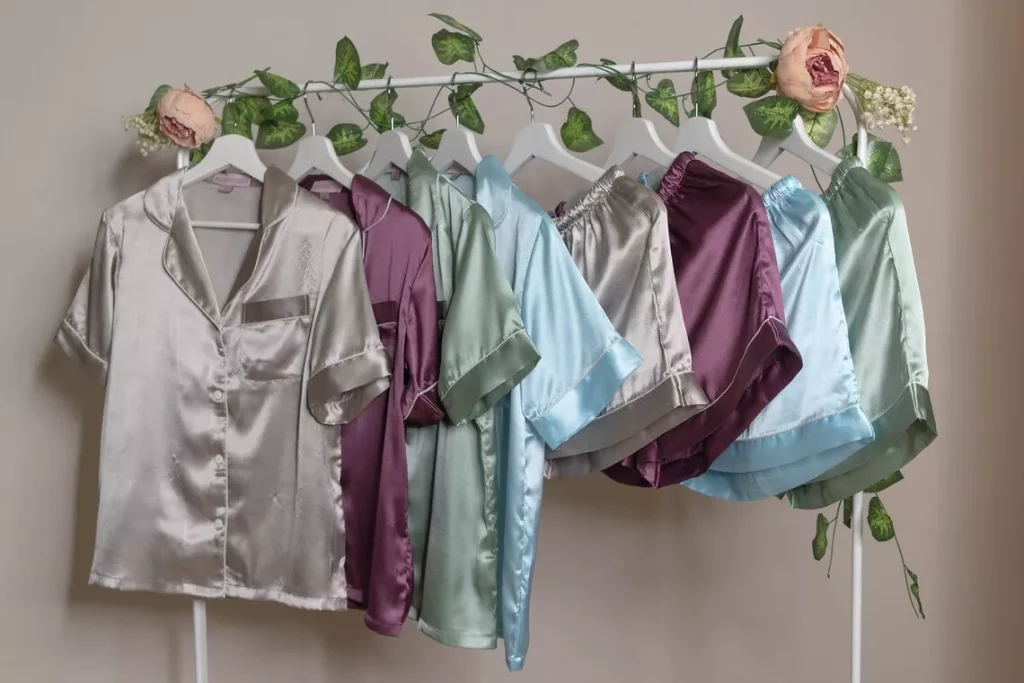
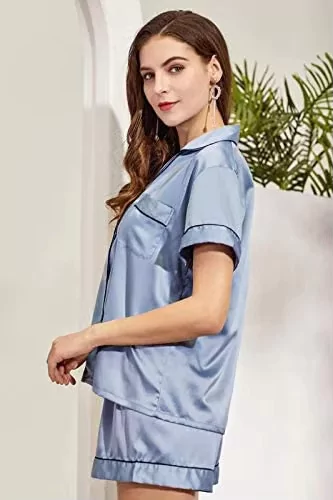
Short Sleeves Shorts Satin Silky 100% Lyocell Bamboo Pajamas Set
Look into Silky 100% Lyocell Bamboo Fabric Women Pajamas by HSC Textiles. The roomy cut aims to increase your ease and rest; it uses 100% bamboo lyocell that touches satiny. It shows strong drape and color hold after many washes—ideal for hotel suppliers or green retail groups for summer sales.
img. Silky 100% Lyocell Bamboo Fabric Women Pajamas.webp
Eco-Friendly Personalized Silk Pajamas
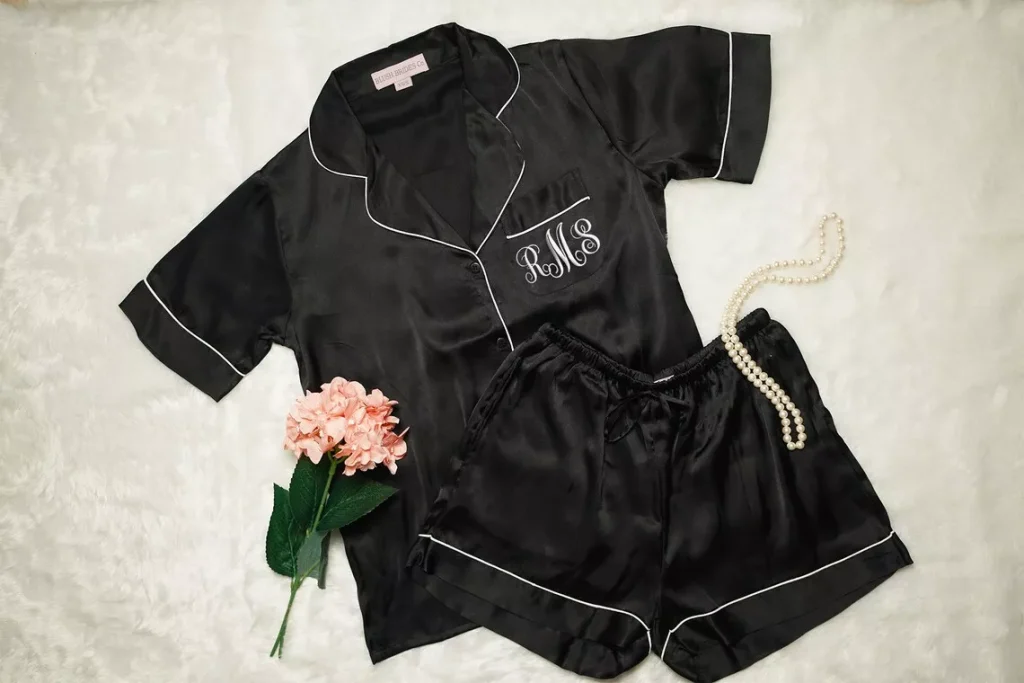
For upscale areas or wedding shops wanting grace with personal options, think of Eco-friendly Personalized Silk Pajamas. Add your embroidery like names or dates; it suits pre-wedding prep or trip ease. This series aids brand distinction via logo stitching in HSC’s OEM structure.
Call to Action for HSC Textiles Products
Why Choose HSC Textiles for Your Pajama Needs?
We carry out firm quality checks, covering raw item checks and final reviews verified by SGS Group. We supply fitted OEM/ODM answers—from idea drawings to pack plans—with lowest orders at 50 sets per style as in our ODM/OEM program. Our support group answers in three hours across the world, securing smooth talks in project stages as on our Service page. For questions or lists on pajama sets or label ties, contact us at [email protected] or +86 13563566701.
FAQ
Q1: Are bamboo pajamas suitable for sensitive skin?
A: Yes. Bamboo products are OEKO-TEX certified, safe for families, cool and silky texture similar to silk.
Q2: How should I wash my silk pajamas?
A: Use cold water with mild detergent; avoid bleach or wringing as silk fibers are delicate—air dry flat away from sunlight.
Q3: What makes HSC’s OEM service unique?
A: We can develop custom designs within three days based on customer needs, offering small-batch production flexibility unmatched by typical factories.
Q4: Which fabric has lower environmental impact?
A: Bamboo lyocell generally outperforms silk due to closed-loop solvent recovery systems that minimize waste generation during processing.
Q5: Can I customize pajama colors or add logos?
A: Absolutely; the company offers drawing-based customization including embroidery (e.g., logos or monograms).
About HSC
We are a group company integrating manufacturing and trade – ULAND GROUP. Our subsidiaries include HSC, Liaocheng Shanlian Textile Co., Ltd., Zhongfei, and DDL.