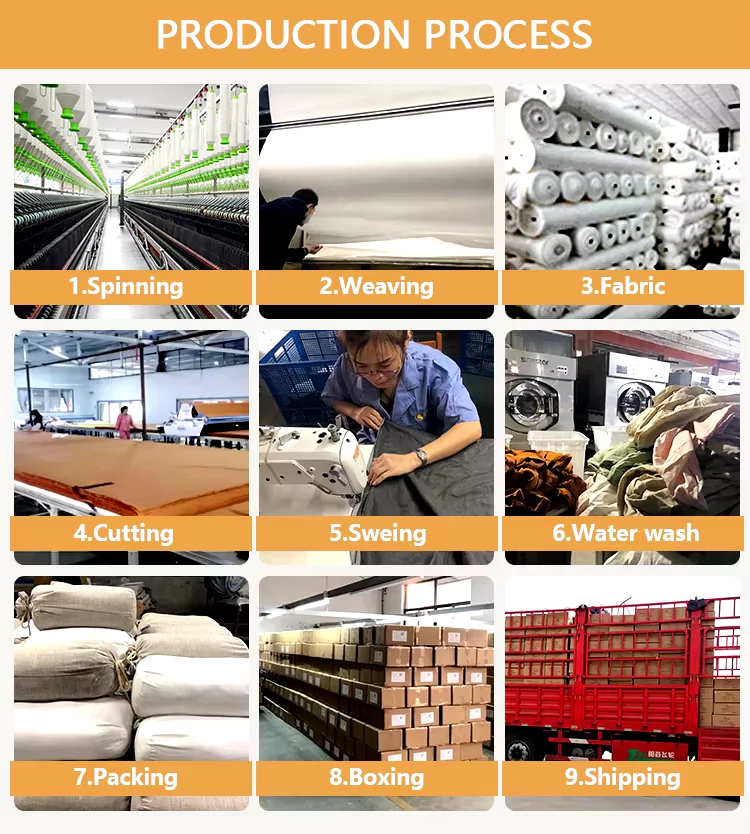
Flax has always been a staple in Western Europe, and it’s easy to see why—this area has just the right growing conditions for it. The mild climate here hits the sweet spot with sun and rain, so the flax grows strong and healthy with nice long stems. And for great linen, those long, tough flax fibers are everything—the longer and sturdier they are, the nicer the linen turns out. Actually, more than 75% of the flax fiber used worldwide to make linen comes from just three places: France, Belgium, and the Netherlands.
To get the valuable fiber out of the flax plant, farmers use a method called retting. Once the flax is picked, it’s left in the fields for up to six weeks, letting nature do all the work. Gradually, the green stems dry out, harden, and turn brown—exactly how brown depends on how much sun and rain there is during that time.
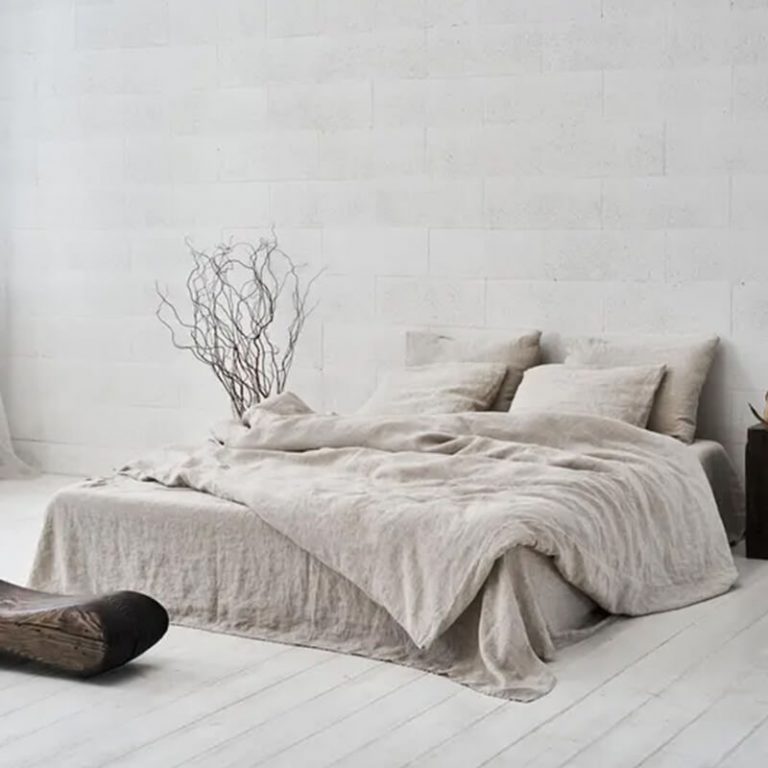
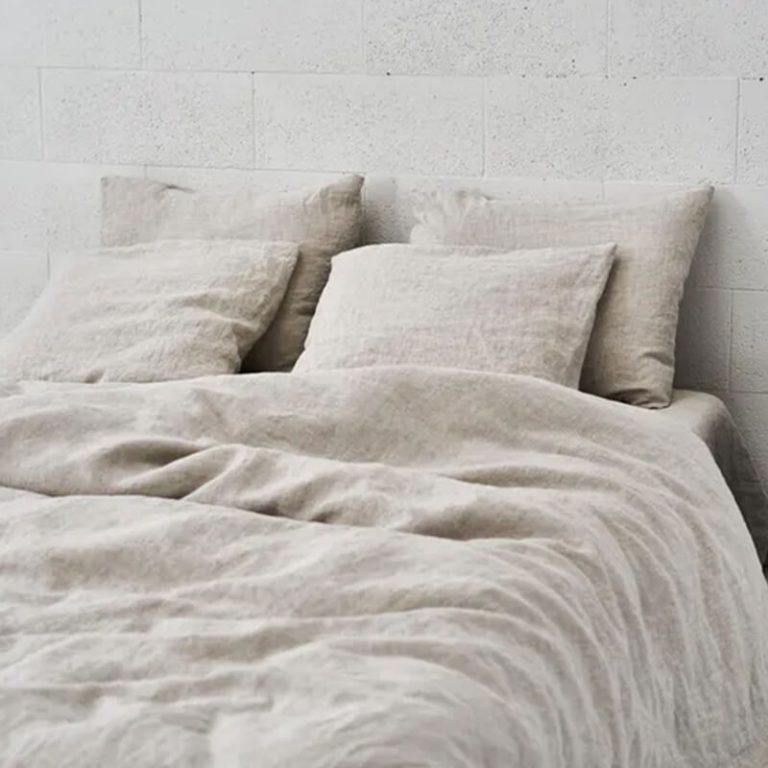
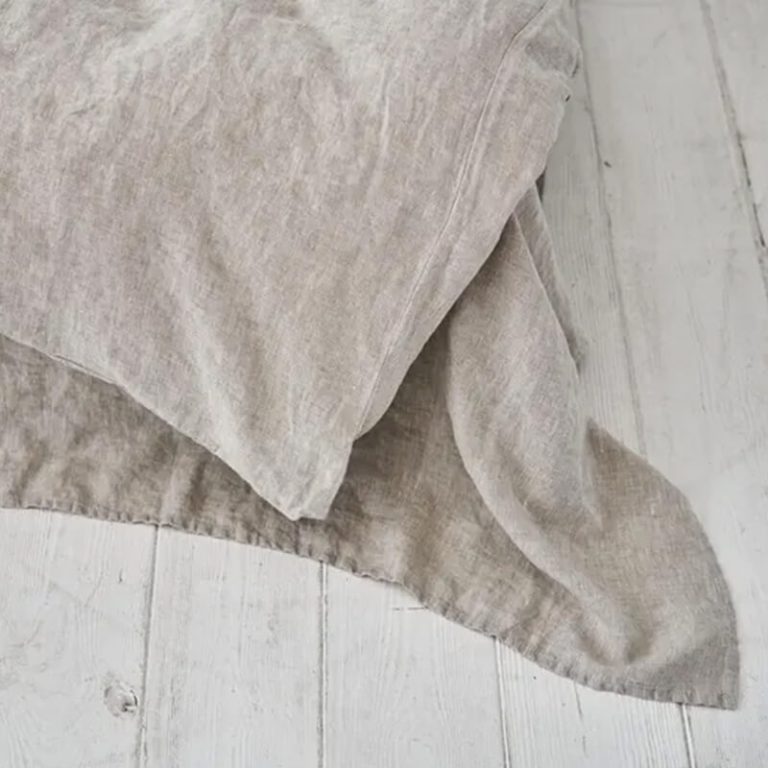
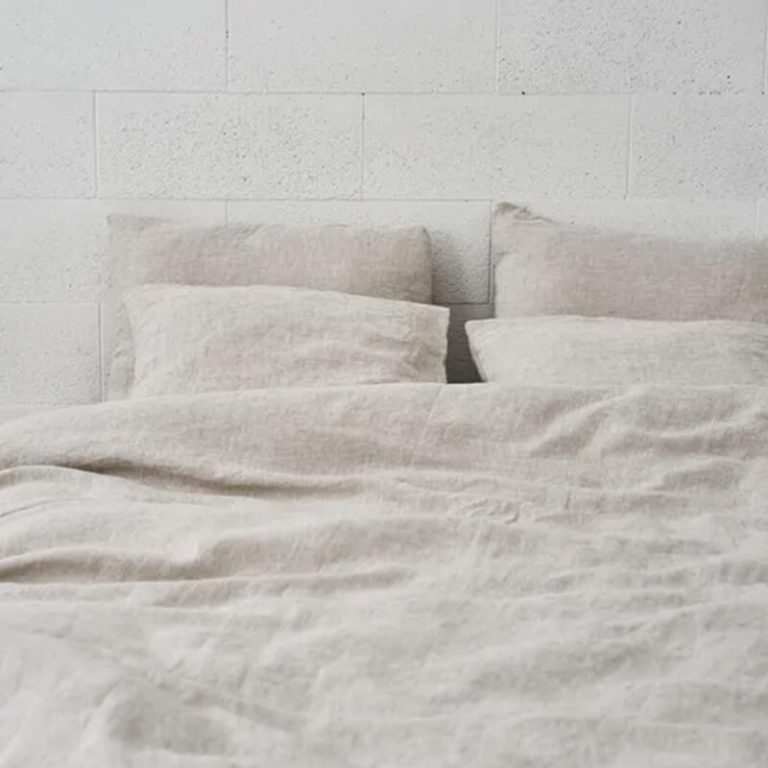
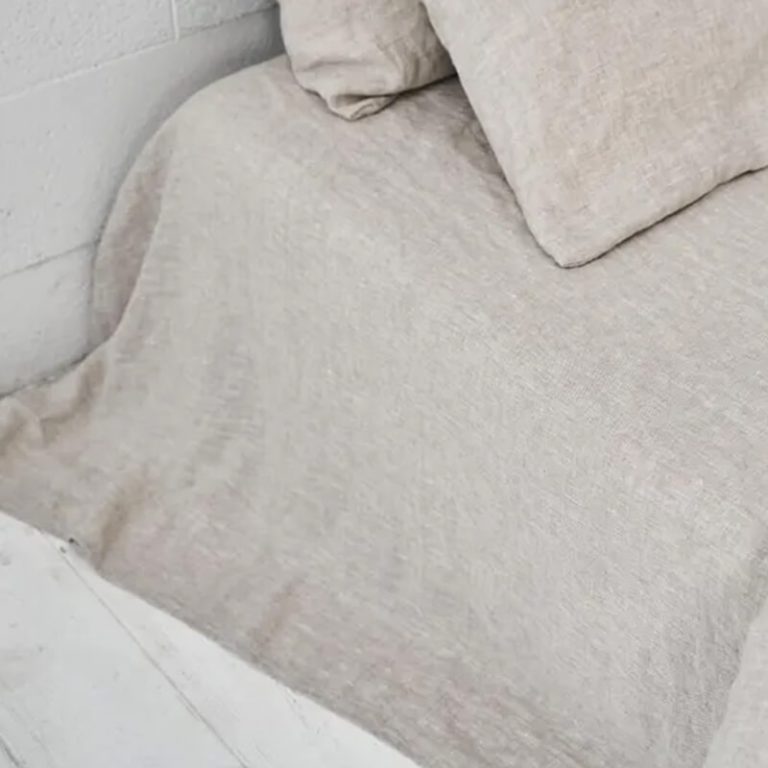
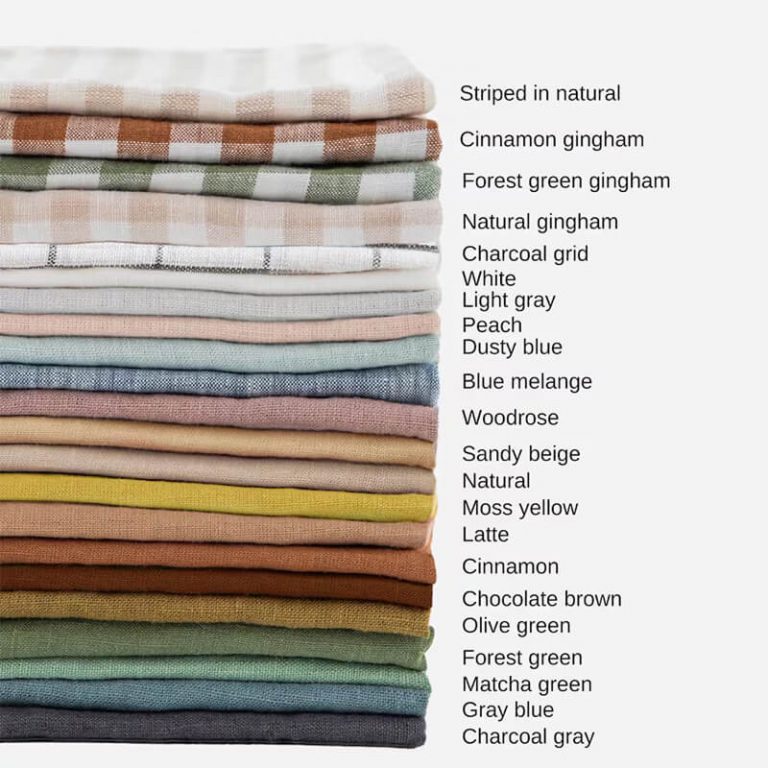
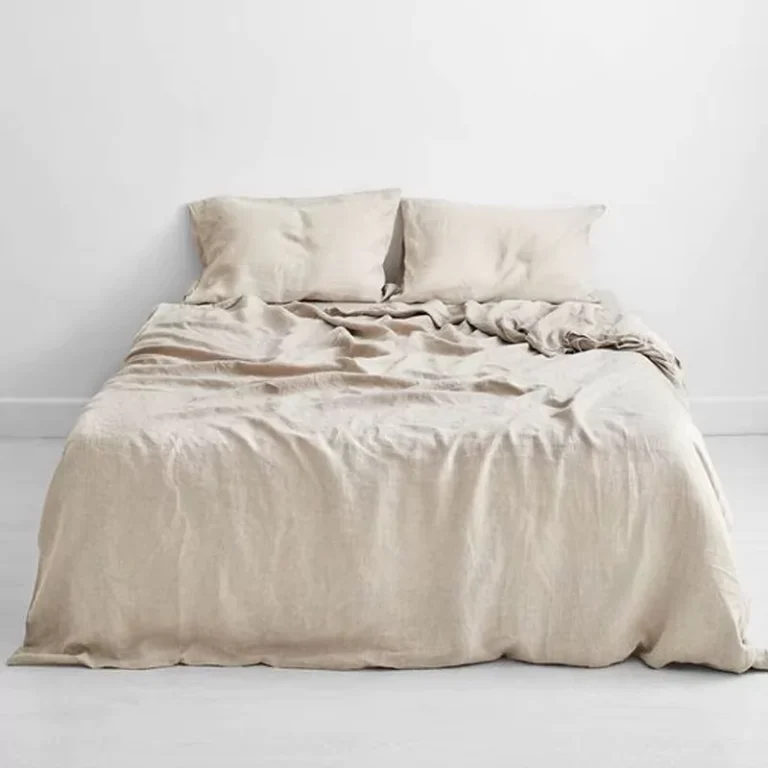
That soft beige shade you often see on linen? It’s the flax’s natural color, straight from nature. In our shop, we call this shade flax, natural, or oyster on our labels. These pieces never get dyed—we just wash them or give a gentle bleach, so the linen can show off its pure, real self.