Many worldwide purchasers recognize that switching from man-made “quick style” to plant-based fibers is essential for a green label. We commit to offering a straightforward technical review of linen and cotton. This will help you pick the material that fits your ongoing business aims. Through this review, you will learn key details on fabric strength, eco effects, and production norms that shape fine rest clothing in 2026.
As a specialist in the fabric field with 20 years of hands-on work, I have seen the growth of green production up close. HSC Textiles serves as a leading custom producer in Shandong, China. We manage a 3,200-square-meter site with a full supply line from raw fiber to ready pieces. We have aided over 3,000 clients around the world in 30 nations. Our order success rate holds at 99%. Our items hold OEKO-TEX® Standard 100 and GOTS certifications. These confirm that each rest piece meets strict safety and green rules. We focus on OEM/ODM support, giving labels the steadiness of a direct plant tie.
Global Shift Toward Sustainable Textile Investments
The move to plant materials comes from rising needs for lasting use and reuse in style. Procurement experts now avoid “throwaway” items. Instead, they choose pieces with years of worth. This change answers buyer likes and stricter worldwide green laws.
Environmental Impact of Synthetic Fast Fashion
Man-made fabrics such as polyester release tiny plastic bits with each wash. They cause ongoing harm to nature. Plant fibers offer a breakdown-friendly choice that aids a reuse system. Selecting top plant textiles cuts the amount of fabric waste going to dumps yearly.
Rise of Natural Fiber Demand in Global Markets
Sales figures point to a big jump in picking linen and organic cotton for high-end casual wear. Clients in North America and Western Europe now stress clear supply paths. This pattern helps producers who show records of green sourcing and fair making.
Longevity and Value Retention of Bio-Based Fabrics
Plant fibers act as a buy for lasting strength. Man-made mixes ball up and shift form. High-quality linen and cotton, however, get gentler and easier over time. This trait raises the “cost-per-use” worth. It draws luxury and green-aware labels.
Structural Differences Between Premium Linen and Natural Cotton
A fabric’s body traits set how it works in rest settings. We check these items at a cell level. This ensures our clients get goods matched to certain weather needs and ease levels.
Flax Fiber Integrity vs Seed Hair Softness
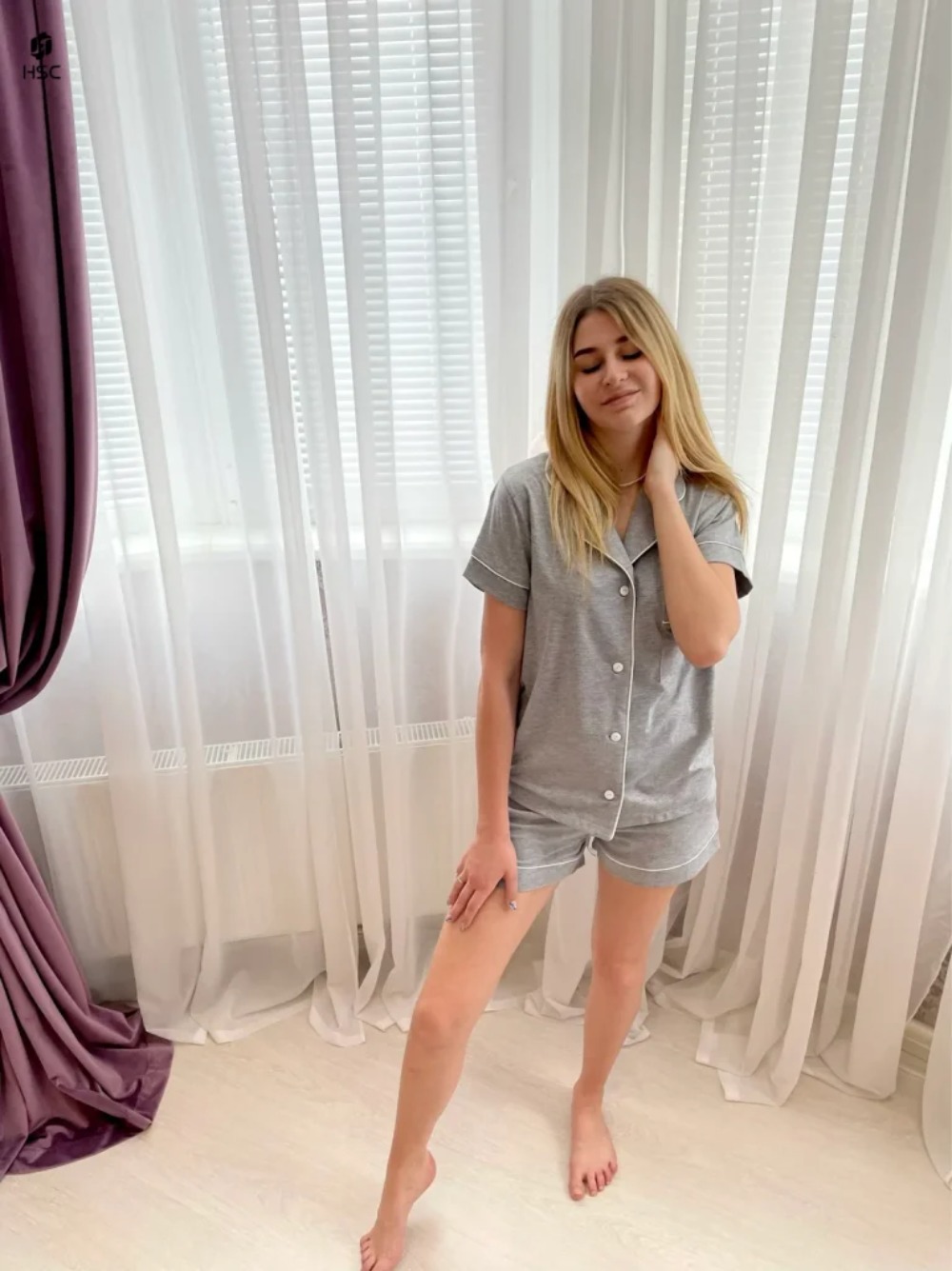
Linen comes from the flax plant. It has long, sturdy fibers that give great pull strength. Cotton, like the Cotton Knit Pajama Set Natural Jersey Sleepwear, uses seed hair fibers. These are shorter and gentler by nature. This leads to a clear pick between linen’s sharp, firm touch and cotton’s stretchy, warm knit feel.
Comparative Analysis of Breathability and Moisture Wicking
Linen fibers contain much pectin. This lets the fabric take in up to 20% of its weight in liquid before it feels wet. Cotton soaks well too. But it keeps liquid longer than linen. For warm sleepers, linen’s quick liquid loss often gives better cooling.
Impact of Fabric Construction on Sleep Quality
The weave and thread number greatly affect air flow. A roomy linen build allows steady air movement. A tight cotton knit gives a soft wrap that steadies heat without getting too warm. Both items aid skin health by letting it breathe all night.
Environmental Footprint and Resource Management of Raw Materials
We focus on fact-based choices for base items. A fabric’s green side shows in its use of natural supplies and the chemicals needed for growth and handling.
Water Consumption Statistics for Cotton vs Flax Cultivation
Flax stands as a tough crop. It usually needs just rain to grow. Standard cotton, on the other hand, uses lots of water. Data reveals that making one kilogram of standard cotton may take up to 10,000 liters of water. Choosing flax linen or organic cotton greatly lowers your line’s water use.
Industry Data on Pesticide Usage and Soil Health
Flax growing needs far less bug killers and feeds than usual cotton. Reports from the field note that flax makes up under 1% of global fiber output. Yet it leads in low-harm farming. This keeps soil fit for years to come.
Life Cycle Assessment of Biodegradable Sleepwear Components
A real green buy looks at the final stage. Both linen and cotton break down fully when clear of man-made colors or coatings. Our Eco-friendly Modern Linen Pajamas Loose Fit follow this full cycle. They return to the ground without bad leftovers.
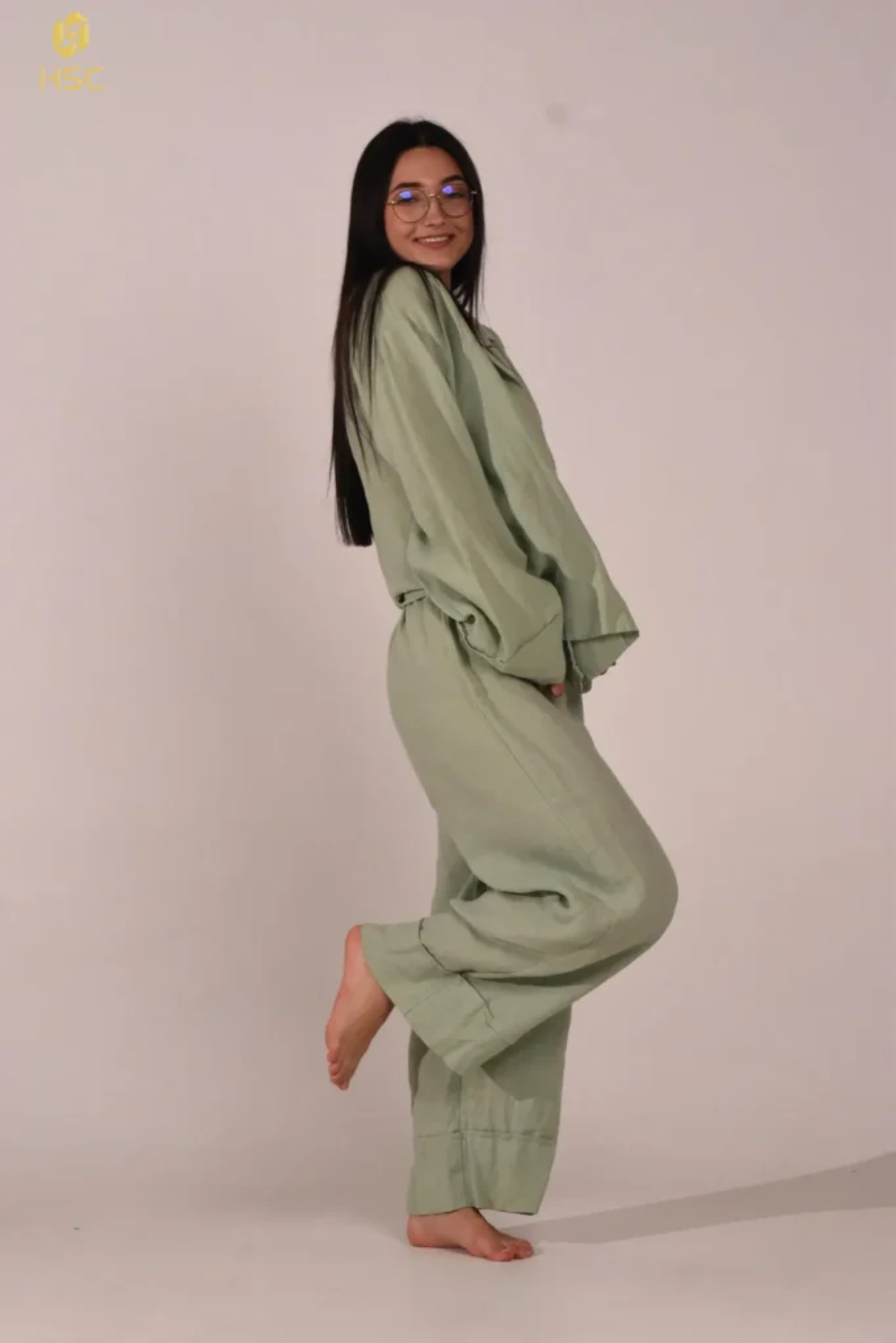
Strategic Advantages of HSC Professional Sleepwear Solutions
We blend these strong items into plans that fit the tough rules of hotel trade and top stores. Our making steps aim to boost each fiber’s natural gains.
Eco-Friendly Modern Linen Pajamas With Loose Fit Design
Our linen rest wear focuses on top air flow. We use a roomy shape to lift the flax fiber’s cooling side. These groups work well for small hotels and fine home lines. They seek a “calm high-end” look that puts ease first.
Cotton Knit Pajama Set in Natural Jersey Sleepwear Styles
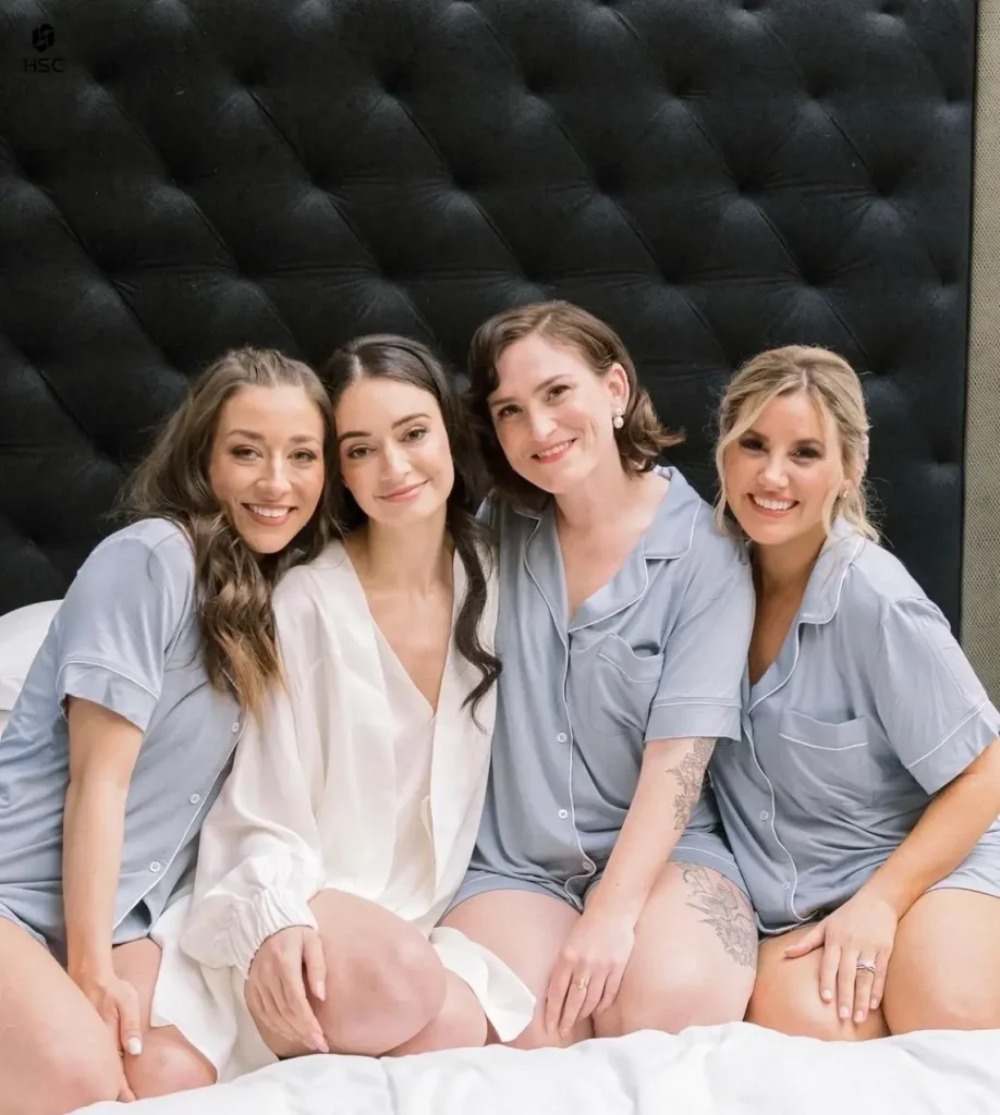
Those wanting a gentle, bendy touch find our jersey cotton groups a timeless answer. We pick long-staple cotton for smooth feel after many washes. Such groups sell well for bridesmaid presents and top casual labels. They offer tailoring stitch choices.
Performance Metrics Comparison of Linen and Cotton Sets
The table below summarizes the technical differences to assist your procurement strategy.
| Performance Metric | Premium Linen | Natural Cotton Knit |
| Durability | Extremely High (lasts decades) | High |
| Softness | Increases with wash | Instant softness |
| Wicking Speed | Rapid Evaporation | Moderate |
| Eco-Friendliness | Highest (Low water/pesticides) | High (when organic/GOTS) |
| Best For | Hot climates / Luxury retail | All-season / Versatile wear |
Why Global Procurement Managers Partner With HSC Textiles?
Steady supply lines form the base of a winning label. We give a full service plan that cuts the hassle of global fabric buying.
Vertical Supply Chain Control from Fiber to Finished Product
We oversee each making step in our site. This full link lets us hold tight quality checks. It keeps raw item strength safe. Our 99% timely send rate stems from this smooth inner handling.
Stone-Washed Processing for Enhanced Fabric Durability
To fix linen’s starting firmness, we use a skilled stone-wash step. This hands-on method softens fibers without harming their build. It makes sure buyers get a piece that feels worn-in and richly gentle right away.
Custom OEM and ODM Services for International Brands
We supply wide customization services. These cover sketch-based unique plans and logo stitching. Our group offers day-and-night aid with replies under three hours. This keeps your tailored works going from idea to large making smoothly.
Conclusion: Securing Your Sustainable Sleepwear Supply Chain With HSC
Picking between linen and cotton ties to your label’s exact buyer group. But both mark a major step up from man-made quick style. Linen brings top lasting use and cooling traits. Natural cotton gives a known, gentle ease that stays popular worldwide. Teaming with a certified producer like HSC Textiles backs your goods with 20 years of skill and a pledge to global safety norms.
We ask you to check our case studies. See how we aided labels in 30 nations to lift their fabric lines. If you seek a large buy partner or a tailored plan team for your next group, we stand ready with pro advice and fine making aid.
FAQ
Q1: What makes linen a better “investment” than cotton?
A: While both are natural, linen is significantly more durable and can last for decades. Its fibers are stronger and actually become softer and more lustrous with every wash, increasing the long-term value of the garment.
Q2: Are HSC Textiles products safe for sensitive skin?
A: Yes, our textiles are certified by OEKO-TEX® Standard 100, which means they have been tested for over 100 harmful substances. This makes them ideal for sleepwear, where fabric is in direct contact with skin for long periods.
Q3: What is the Minimum Order Quantity (MOQ) for custom pajamas?
A: Our standard MOQ is 100 sets, which allows us to provide high-quality customization while maintaining factory-direct pricing for our clients.
Q4: How does HSC ensure on-time delivery for global exports?
A: We manage our own 3,200-square-meter factory and maintain a vertical supply chain. Our 99% performance rate is supported by efficient logistics partners offering express, air, and sea freight options.
Q5: Does linen wrinkle too much for a luxury brand?
A: Slight wrinkling is a natural characteristic of pure linen and is often seen as a mark of authenticity and luxury. However, our stone-washing process significantly reduces initial stiffness and provides a more draped, soft texture.
About HSC Textiles
We are a group company integrating manufacturing and trade – ULAND GROUP. Our subsidiaries include HSC, Liaocheng Shanlian Textile Co., Ltd., Zhongfei, and DDL.