The fabric you pick for napkins and tablecloths matters more than most people think. Before any food hits the table, guests at a fine-dining room or wedding already feel it. Pure linen has been the go-to choice for a long time. Cotton-linen blends have quietly taken over for operators who want the look but not the extra laundry hassle. Both are natural. Both look great in photos. But they hold up very differently through a busy season — and that gap is what actually drives the decision.
This piece looks at both fabrics across napkins and tablecloths, drawing on what a manufacturer with 20-plus years in the business actually sees day to day.
The Role of Napkin and Tablecloth Fabrics in Professional Settings
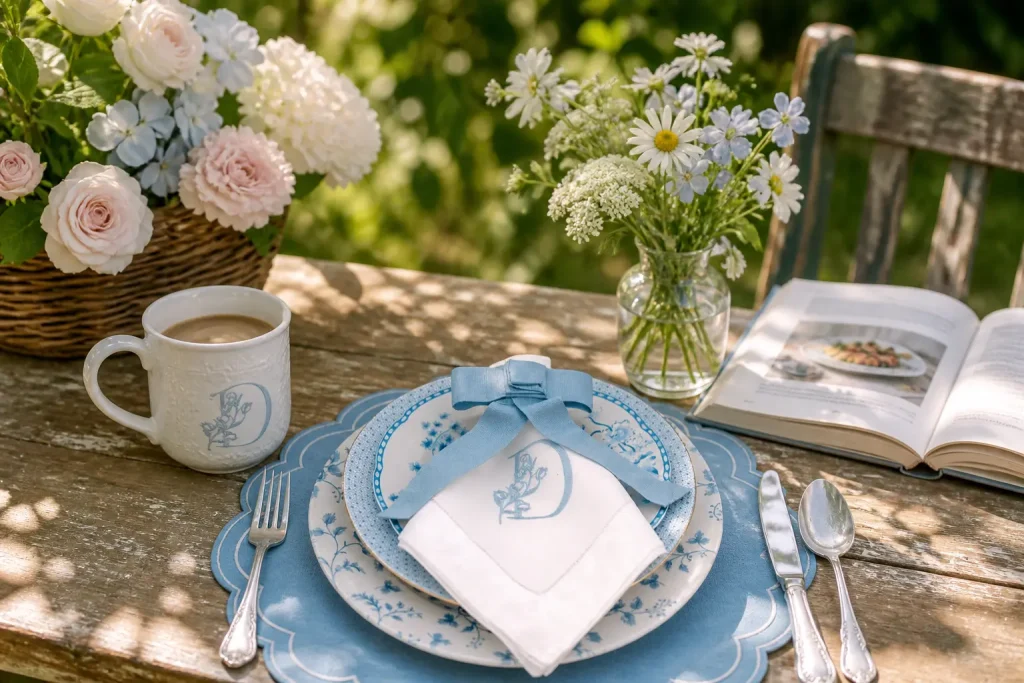
Napkins get used constantly. Guests grab them for hands, mouths, minor spills. Tablecloths do the heavier lifting — surface protection, sound dampening, colour coordination, framing the whole table. At higher-end hotels and wedding venues, fabric choice comes down to one practical question: how does it look after the fiftieth wash?
Most professional-use napkins and tablecloths are cotton, linen, or a blend. Each slot fits a different job:
- Formal-use linens — weddings, banquets, fine dining. Drape and texture come first.
- Restaurant-use linens — daily service. Turnover speed, stain release, and cost-per-use drive everything.
- Home-use linens — retail and adjacent hospitality products. Comfort and easy care win here.
Same rule applies to both napkins and tablecloths: the fabric IS the product. Get the fiber right, and the hem, edge, embroidery and logo all have a solid base. Get it wrong, and none of those extras will save it.
Linen Napkins and Tablecloths: Natural Texture Meets Lasting Luxury
Linen comes from flax — one of the oldest fibers around — and it still hasn’t gone out of style. You’ll spot it at destination weddings, old-school hotels, and restaurants that take atmosphere seriously. That slightly uneven surface catches light in a way cotton doesn’t. It reads as “naturally elegant” rather than “over-pressed.”
Key Characteristics of Linen Napkins & Tablecloths
- Natural texture and drape: Matte, a little crisp, softens with every wash. Hangs nicely off table edges for photos.
- Moisture absorption: Flax wicks moisture fast. Linen napkins actually work, not just look good.
- Durability: One of the stronger natural fibers. Wash it right and a linen tablecloth stays usable for years.
- Breathability: Air moves through easily. Stays comfortable under warm banquet lights.
- Cool to the touch: Guests notice this at summer events more than you’d expect.
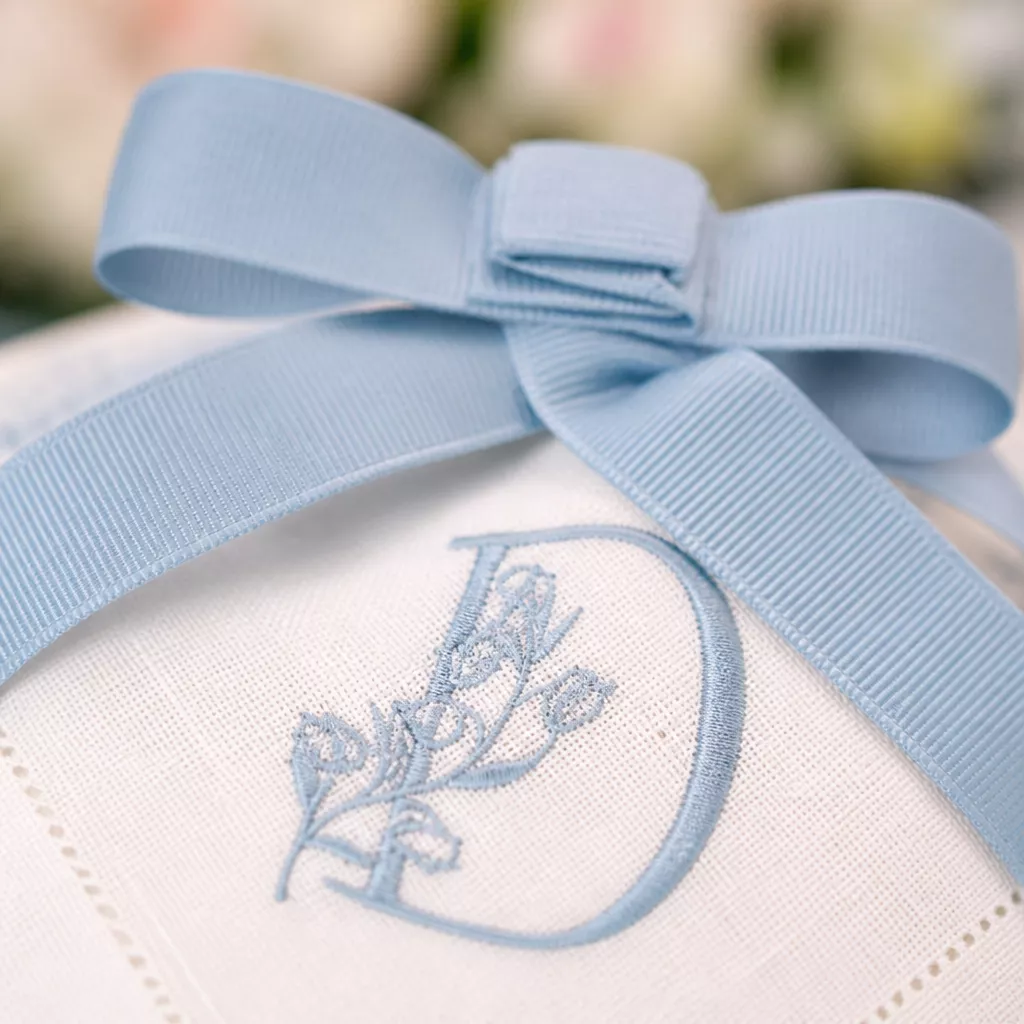
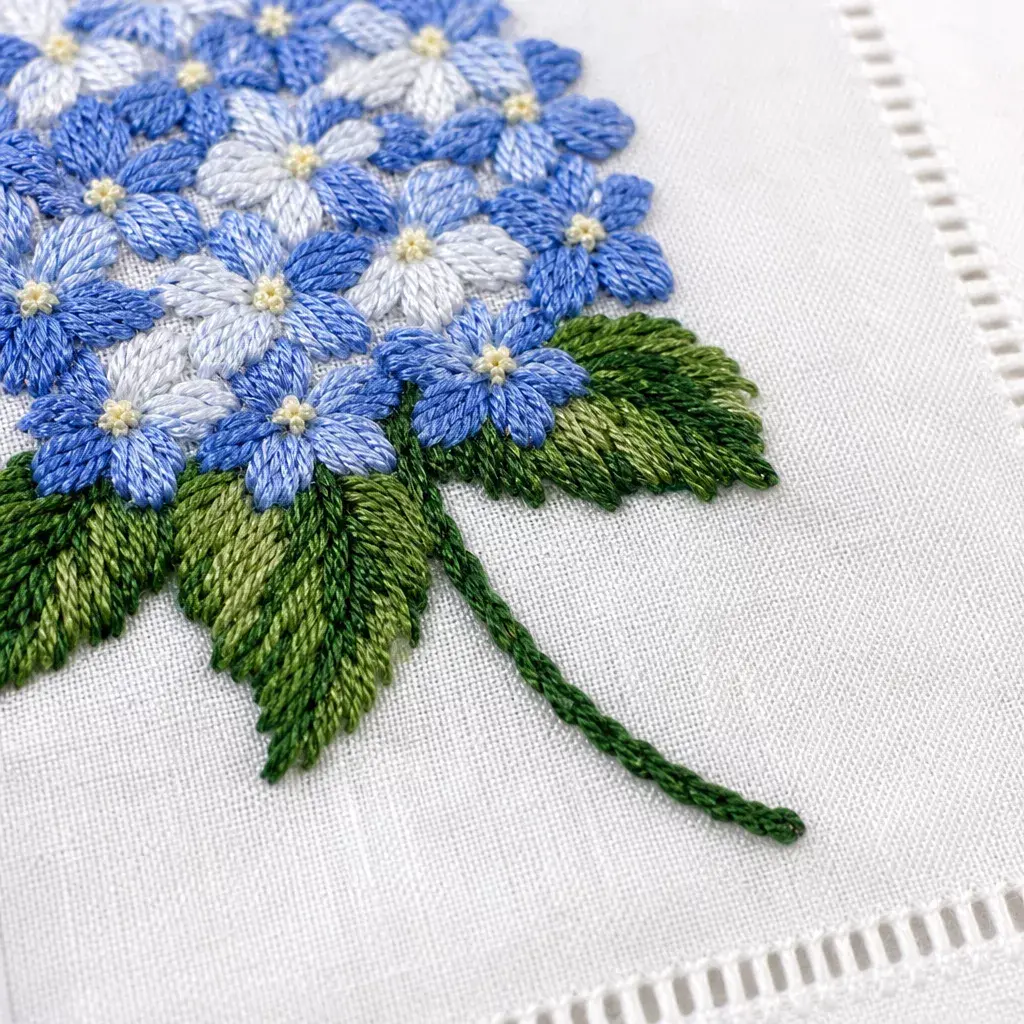
The Hemstitch Linen Napkins – 100% Pure Fabric for Elegant Table Settings are a solid example. 100% linen, soft, breathable, works for weddings, hotel use, and daily service. The hemstitch detail — small decorative holes stitched along the hem — gives it a hand-finished look without bulk. Standard size is 38 × 38 cm; custom sizes are available.
Care and Maintenance Notes
Linen needs a bit more care in the wash. Worth planning for:
- Machine wash cold (≤40 °C), gentle cycle.
- Skip chlorine bleach; go oxygen-based if whitening is needed.
- Tumble dry low or hang it, take it out slightly damp.
- Iron damp for a crisp look — or just leave the natural creases. A lot of venues prefer the relaxed feel.
- Gets softer the more you wash it. Light wrinkling is normal, not a problem.
Cotton-Linen Blends: The Balanced Workhorse
A cotton-linen blend pulls together the best parts of both fibers: cotton’s softness and easy care, linen’s texture and strength. Most blends run around 45% cotton to 55% linen — enough to balance feel, cost, and how long it lasts. Pure linen can feel too high-maintenance for everyday service. A blend handles the daily grind without fuss.
Core Advantages of Cotton-Linen Blends
- Easier care: Tolerates warmer wash temperatures and more frequent cycles. Less wrinkling too.
- Softer right away: Cotton means it feels good from the first use — no break-in needed.
- Better shape retention: Less shrinkage, holds its form through repeated industrial washing.
- Lower cost: Cheaper than pure linen while keeping most of the look.
- More colour flexibility: Cotton takes dyes and digital prints well. Good base for custom colours, stripes, and patterns.
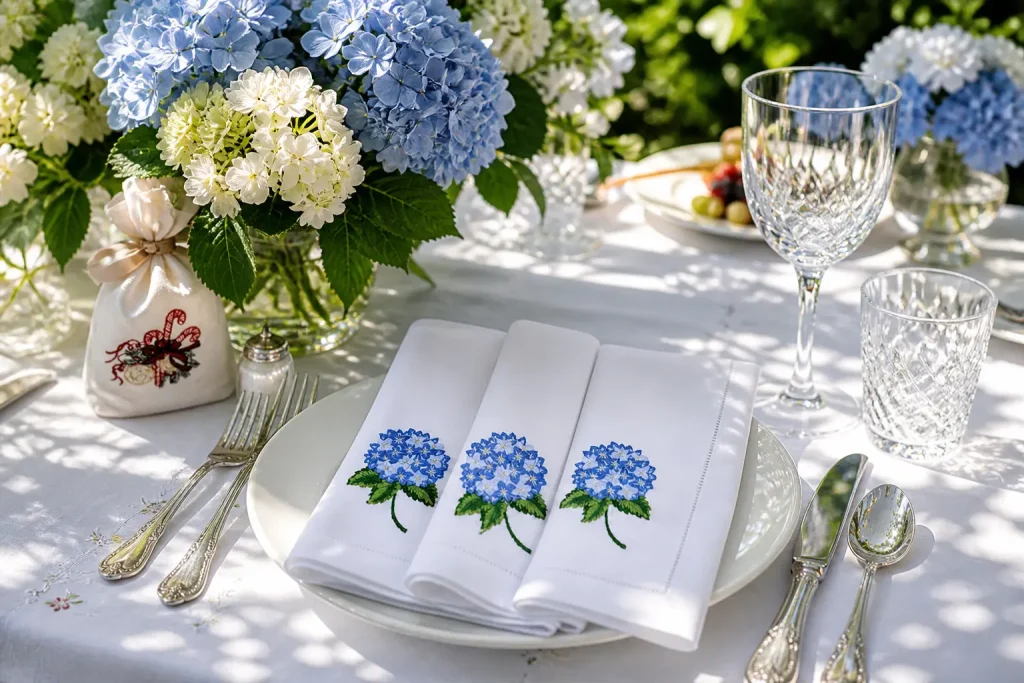
HSC Textile’s Linen Cotton Tablecloths – Blend Table Cloth collection covers a wide range: linen’s structure plus cotton’s softness, in custom sizes, colours, and embroidery options. If you want something more decorative, the Ruffled Cotton Linen Tablecloth has hand-pleated ruffle edges on washed cotton-linen — popular for wedding setups where the cloth itself is part of the decor.
Care and Maintenance Notes
Blends are easier in the laundry room:
- Machine wash ≤40 °C on a regular cycle. Check the care label for the exact blend ratio.
- Avoid chlorine bleach; oxygen-based works fine.
- Low tumble dry — dries faster than pure linen.
- Iron on the cotton setting while slightly damp. Don’t iron directly on embroidery or printed areas.
Linen vs Cotton-Linen at a Glance
| Feature | 100% Linen | Cotton-Linen Blend |
| Fiber origin | Flax plant | Cotton + flax |
| Texture | Textured, matte, crisp | Softer, smoother |
| Initial softness | Increases with washes | Soft from first use |
| Wrinkle resistance | Moderate (natural creases) | Higher (holds shape better) |
| Care difficulty | Gentle handling required | Easier machine care |
| Durability | Excellent | Very good, balanced |
| Cost | Higher | Moderate |
| Best fit | Weddings, fine dining | Hotels, daily service |
Performance Analysis: Weddings vs Hotels
Weddings – Elegance Takes Priority
At a wedding, the table shows up in the photos. Drape, texture, edge detail — the camera catches all of it. Pure linen hits on all three. A scalloped edge or monogram turns a napkin into something guests actually take home. Products like the Scalloped Edge Linen Napkin with Custom Logo or the Custom Overlocked Edge Monogrammed Linen Napkin give planners that bespoke finishing touch. Since it’s a one-time event, the fabric doesn’t face the same wear as daily service — so you can just pick what looks and feels best.
Hotels – Durability & Turnover Efficiency
Hotels run on speed. One banquet cloth might get washed and reused twice in a single day, and face hundreds of cycles over the year. Cotton-linen blends handle that load well. They survive industrial washing, don’t wrinkle badly between seatings, and dry faster — which saves time and energy. Most business hotels and banquet halls use blends for daily service and save pure linen for premium dining rooms where the extra upkeep makes sense for the brand.
That said, more boutique luxury hotels now use both — linen upstairs in the fine-dining room, blends in the main banquet space. They work better together than as a straight either/or.
Manufacturing Insights from HSC Textile
HSC Textile has been making home textiles for over 20 years, covering OEM/ODM production and export. Their table linen range includes pure linen, cotton, and cotton-linen blends — all made in-house from weaving and dyeing through to cutting, stitching, embroidery, and finishing. That end-to-end control is what keeps quality consistent across orders.
The OEM/ODM program lets clients set their own sizes, colours, embroidery positions, and branding. The same line can handle a small custom run for a wedding planner and a large repeating hotel chain order at the same time. Logo work starts from low minimums, and label and packaging design is free when you build around your brand.
During production, HSC shares photos and videos at each stage so buyers can track their order without being on-site. In B2B sourcing, that kind of transparency actually matters.
Quality Control & After-Sales Support
Hospitality linens get a lot of use, and the difference between a good and a bad supplier shows in quality control. HSC checks everything from raw material intake through to finished goods, and each order is inspected before shipping for consistent size and colour across the full batch. Inconsistent sizing or uneven fading creates real operational headaches for multi-property buyers — a problem that costs far more than the cloth.
After the sale, they handle order tracking, delivery follow-up, complaints, and technical support. Issues get resolved before they disrupt the buyer’s service schedule.
Sustainability Perspective: Eco-Friendly Procurement Trends
Sustainability expectations in hospitality procurement keep going up, and table linens are part of that:
- Flax advantage: Growing flax needs far less water and fewer chemicals than conventional cotton. That gives pure linen a stronger environmental profile.
- Blend pragmatism: Blends lower overall cost while still reducing synthetic fiber use in hotel inventory — a practical step toward natural-fiber purchasing.
- Certifications matter: OEKO-TEX® Standard 100 certified products are tested for 100+ harmful substances. For food-contact textiles like napkins, that documented safety is worth having.
- Natural end-of-life: Flax and cotton both biodegrade. Polyester-blend tablecloths don’t.
If ESG reporting matters to your operation, ask suppliers for sourcing documentation. Certified natural fibers support those reports without changing what the table looks like.
Application Scenarios Across Industries
Most buyers end up mixing both fabrics:
- Linen napkins & tablecloths — destination weddings, fine-dining restaurants, heritage venues, boutique resorts, premium banquet tiers.
- Cotton-linen blend napkins & tablecloths — business hotels, conference centres, banquet halls, high-volume restaurants, catering.
- Home and retail — washed cotton-linen blends work well for casual home dining and are gaining ground in tabletop retail.
For event decorators, blends also handle decorative edges well — ruffles, tassels, scallops. The Handmade Cotton Linen Tassel Napkin is a good example of how a small detail turns a functional item into a styling piece.
Final Recommendation
Go with pure linen when the table is the centrepiece — weddings, fine dining, premium hotel settings where look and feel justify the extra laundry care. Go with a cotton-linen blend when the cloth needs to handle daily rotation — business hotels, banquet halls, restaurants where wash cycles and cost-per-use matter.
For most buyers, the practical answer is a mix: linen for visible premium tiers, cotton-linen for volume service. HSC Textile covers both ends — custom embroidered linen napkins through to washed cotton-linen tablecloths — with OEM/ODM support from first sample to final shipment.
FAQ
Q1: Which fabric lasts longer under frequent washing — linen or cotton-linen?
A: Cotton-linen blends handle more machine cycles before showing wear. Pure linen holds its structure better over time — but only when washed gently at low temperatures.
Q2: Are pure linen napkins practical for everyday hotel dining?
A: They work fine, but require careful washing. Most hotels keep linen for premium dining areas and use cotton-linen blends for daily banquet service.
Q3: Can I customise size, colour and logo on napkin and tablecloth orders?
A: Yes. HSC Textile’s OEM/ODM service covers dimensions, colours, edge styles, embroidery, and branding. Custom logo work is available from low minimum quantities.
Q4: What is the standard napkin size?
A: 38 × 38 cm is most common. Any size can be customised to fit your tableware and folding preference.
Q5: Which option is best for eco-conscious wedding planners?
A: Pure linen from a certified supplier gives the strongest sustainability case. OEKO-TEX® Standard 100 certified cotton-linen blends are a solid eco-friendly option at a lower price point.
About HSC Textiles
We are a group company integrating manufacturing and trade – ULAND GROUP. Our subsidiaries include HSC, Liaocheng Shanlian Textile Co., Ltd., Zhongfei, and DDL.