Hotel owners always struggle with one key question: should you pick bamboo lyocell or cotton for your bedding? I’ll break down all the pros and cons of these two materials in simple terms. We’ll cover texture, durability, pricing and daily upkeep to help you make a quick, smart choice.
We’re HSC, a bedding manufacturer with 20 years of experience. We’ve served over 3,000 hotels across the globe and produce both materials ourselves. This lets us give you a fair, unbiased opinion to match your hotel’s exact needs.
1. Head-to-Head Comparison: Bamboo Lyocell vs Cotton
1. Touch & Skin Comfort: Which Leaves a Better Impression on Guests?
Bamboo Lyocell
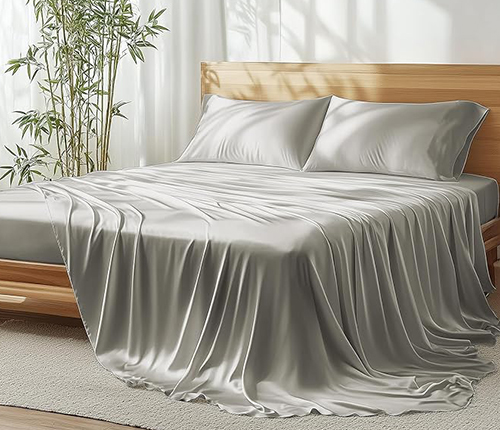
It has a natural silky, cool feel, much softer than standard cotton. It keeps guests cool and breathable in summer, yet won’t feel cold during winter. It works perfectly for business hotels, high-end vacation rentals and resorts in tropical areas.
This material is hypoallergenic, so it’s safe for guests with sensitive skin. A great bonus? It gets softer after each wash, unlike cotton that turns stiff over time.
Cotton (40S/60S)
Cotton has a classic, familiar softness that most guests are used to. It rarely causes guest complaints, which makes it a safe basic option.
But it has clear flaws. It can feel hot and stuffy on warm days. After repeated commercial laundry washes, the surface turns rough and stiff, which hurts guest experience.
Final Takeaway
Pick bamboo lyocell if you want a premium feel and all-season comfort. Go with cotton for budget hotels that mainly host traditional and senior guests.
2. Durability & Laundry Performance: Which Stands Up to Frequent Hotel Use?
Bamboo Lyocell
We use tight 300T/400T weaving for our bamboo lyocell bedding. It resists pilling, fading and deformation even after countless commercial washes.
It’s also naturally wrinkle-free. This cuts down ironing work and greatly reduces your housekeeping labor costs.
Cotton
High-grade 60S cotton is fairly sturdy, but regular 40S cotton wears out fast. It pills, shrinks and hardens quickly with frequent use.
Cotton wrinkles easily too. Staff have to iron it every time they remake beds, adding extra work and long-term maintenance expenses.
Final Takeaway
Bamboo lyocell is more durable and cost-efficient for high-traffic hotels. Cotton only makes sense for short-term budget hotels that replace linens regularly.
3. Antibacterial Ability & Breathability: Which Meets Hotel Hygiene Standards Better?
Bamboo Lyocell
Bamboo lyocell comes with natural antibacterial properties. It keeps dust mites and harmful bacteria in check, lightening your cleaning workload. It’s especially ideal for humid regions and luxury hotels.
The fabric is highly breathable. It absorbs and evaporates sweat fast, keeping bed sheets dry and fresh all day long.
Cotton
Cotton offers basic breathability but has no natural antibacterial effects. In damp and humid environments, bacteria and mold grow easily, forcing you to do more frequent deep cleaning and disinfection.
Final Takeaway
Choose bamboo lyocell for humid areas, luxury resorts and family-friendly hotels. Cotton is fine for dry regions with basic hygiene requirements.
4. Cost & Long-Term Value: Which Brings Higher ROI?
Bamboo Lyocell
Its initial purchase cost is a little higher than basic cotton. But it has a far longer service life, so your long-term maintenance and replacement costs drop significantly.
It also upgrades your hotel’s overall grade and guest experience, letting you set higher room prices and boost total revenue.
Cotton
Cotton has a low upfront cost, which is tempting for new hotel operators. But you’ll need to replace it very often, so the total long-term expense adds up quickly.
It’s a generic material with no premium appeal, so it can’t help your hotel stand out from competitors.
Final Takeaway
Bamboo lyocell delivers better long-term returns and brand value for formal hotel operations. Cotton’s low entry cost works best for short-term budget hotel projects.
2. Best Material Match for Different Hotel Types
|
Hotel Type
|
Recommended Material
|
Key Reason
|
Styling Tip
|
|---|---|---|---|
|
Premium Business/Resort Hotels
|
Bamboo Lyocell
|
Boosts guest staying experience and overall premium hotel vibe
|
Match with simple solid-color bedding for a high-end, neat look
|
|
Boutique/Trendy Homestays
|
Bamboo Lyocell
|
Its silky texture wins good guest reviews and social media exposure
|
Use pure white or earthy tone bedding to fit Nordic and wabi-sabi decoration styles
|
|
Budget/Economy Hotels
|
40S Cotton
|
Low startup cost, meets basic guest needs with low texture expectations
|
Stick to stain-resistant white sheets to reduce replacement frequency
|
|
Family/Child-Friendly Hotels
|
Bamboo Lyocell
|
Naturally antibacterial, chemical-free and gentle on kids’ delicate skin
|
Pick light-colored bedding to create a warm and safe family atmosphere
|
3. Frequently Asked Questions
Q1: Does bamboo lyocell bedding snag easily?
A: Not at all. Our HSC bamboo lyocell uses high-density weaving. The surface is smooth and snag-resistant, fully built to handle heavy daily hotel use.
Q2: Can bamboo lyocell withstand commercial laundry washing?
A: Yes, it’s totally suitable. It passes strict durability tests. It won’t fade, shrink or deform after repeated industrial washes. Its wrinkle resistance also saves lots of ironing time for staff.
Q3: How big is the price gap between bamboo lyocell and cotton?
A: Bamboo lyocell costs 20% to 30% more upfront than standard 40S cotton. However, it lasts 2 to 3 times longer. In the long run, it’s way more cost-effective.
Q4: Can we customize colors and logos for hotel branding?
A: Absolutely. HSC provides full customization services. We support Pantone color matching, logo embroidery and printing to fit your hotel’s unique brand style.
About HSC Textiles
We are a group company integrating manufacturing and trade – ULAND GROUP. Our subsidiaries include HSC, Liaocheng Shanlian Textile Co., Ltd., Zhongfei, and DDL.